In the 1980s, Hollywood descended on South Pasadena. It didn’t build studios or offices or theme parks here. Rather, it seems like there was a collective realization among filmmakers that there was a place in the midst of Los Angeles that could pass for a typical American small town or suburb. John Carpenter’s Halloween, released in 1978, was the first notable film to take advantage of South Pasadena’s charm and present it as a small Midwestern town. The list of films that followed is staggering, with many beloved movies of the ’80s: Back to the Future, Beethoven, Pretty in Pink, Pee-Wee’s Big Adventure, Teen Wolf, and Terminator were all filmed in part in South Pas, along with dozens of establishing shots for all the nice suburban houses our TV sitcom families lived in. It seems like in the 80’s, whenever Hollywood needed something that exuded Americana, they sent their location scouts to the Pasadena area.
The film industry has since moved on from South Pasadena, perhaps because it’s just too idyllic to still fit America’s image of a “normal” suburb. But it left a lot of memories. Millions like myself saw South Pasadena over and over again without even knowing what we were looking at. This is perfectly normal in Los Angeles, where the psychic landscape of cultural imagery is layered heavily over the physical landscape our bodies inhabit—and if we’re being honest, it’s hard to say which landscape our minds spend the most time in. Fictional or not, the places we see mean something to us.
What’s remarkable about South Pasadena is that it doesn’t lose its idyllic quality from seeing it in person. If anything, the real South Pasadena is a place even more charming and fantastical than any of its depictions on film have captured. And it’s perfectly situated around a wonderfully placed Metro station.

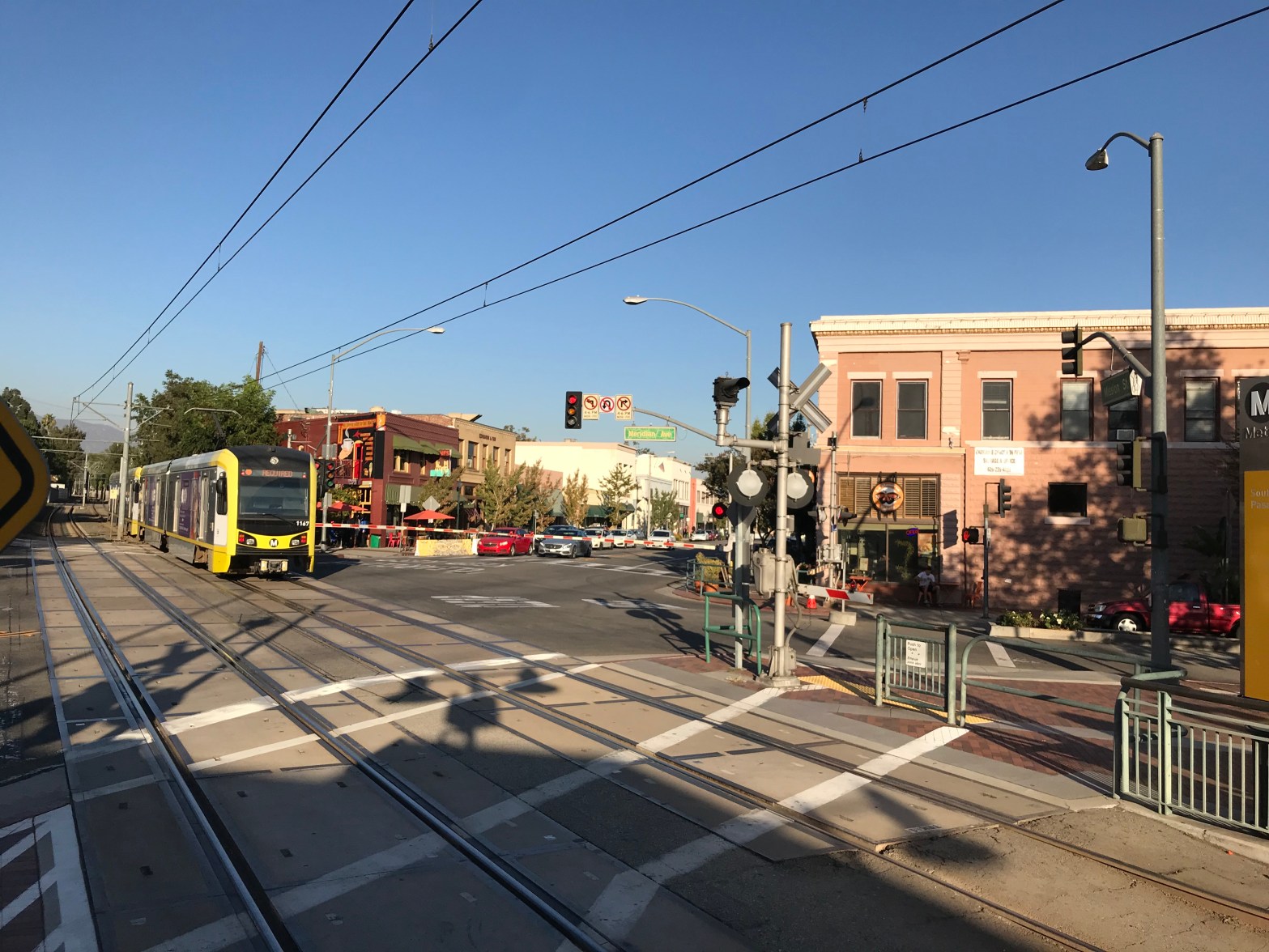
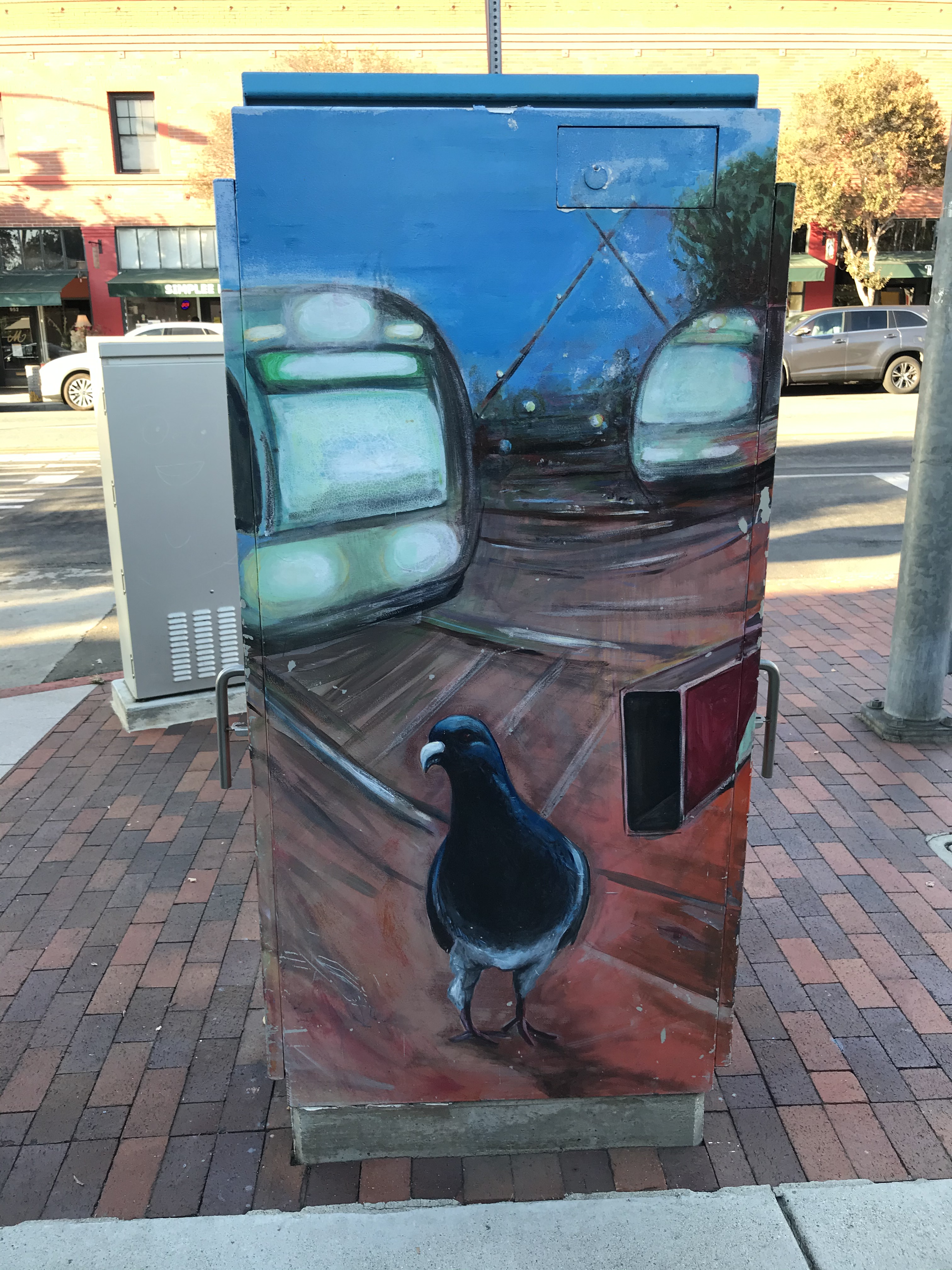
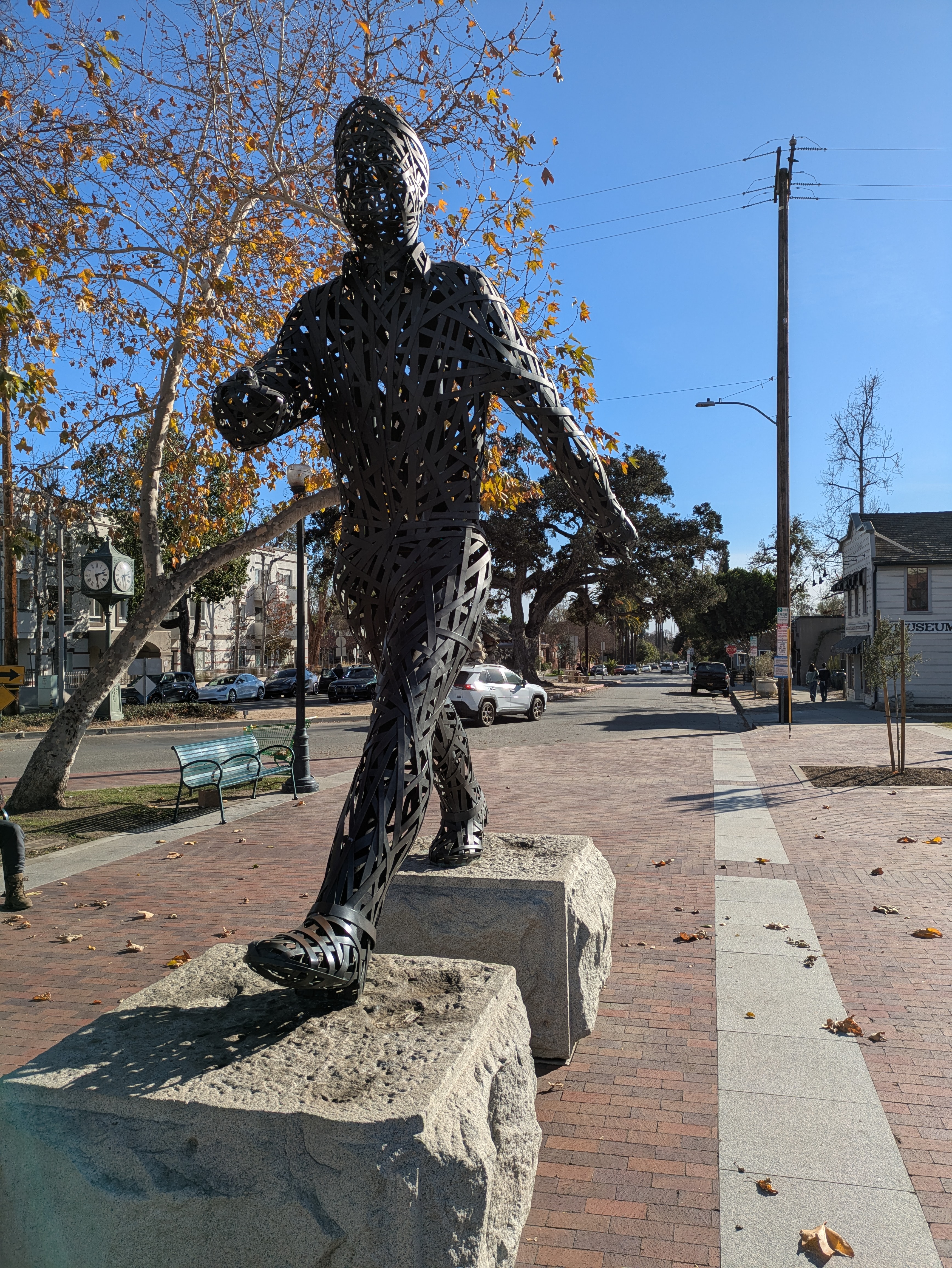
The Metro A Line (formerly the Gold Line) station is located at the corner of Mission Street and Meridian Avenue, with the tracks cutting across the intersection. This makes a little event out of every arriving train, when the crossing gates go down and traffic in all directions has to be momentarily held up. There’s some nice public art at the entrance, and a shady little plaza is attached to the station. The intersection itself is surrounded by pleasant old brick and wooden buildings which look about the same as they did a hundred years ago. The main feature of the plaza is statue of a man striding across a set of granite stones, with a plaque explaining that the stones are foundational supports from the original railroad bridge that crossed the Arroyo Seco, connecting Pasadena to Los Angeles.
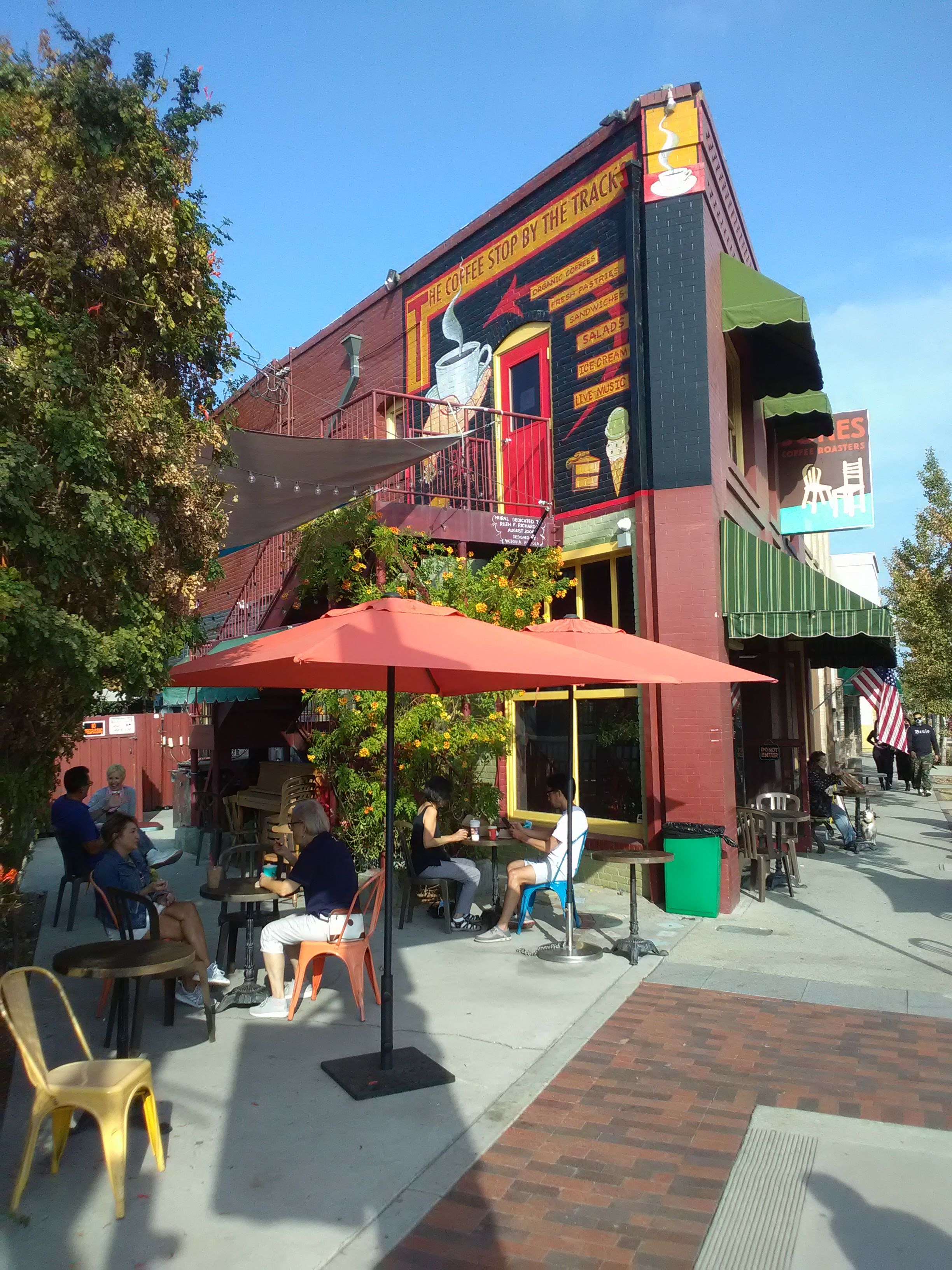
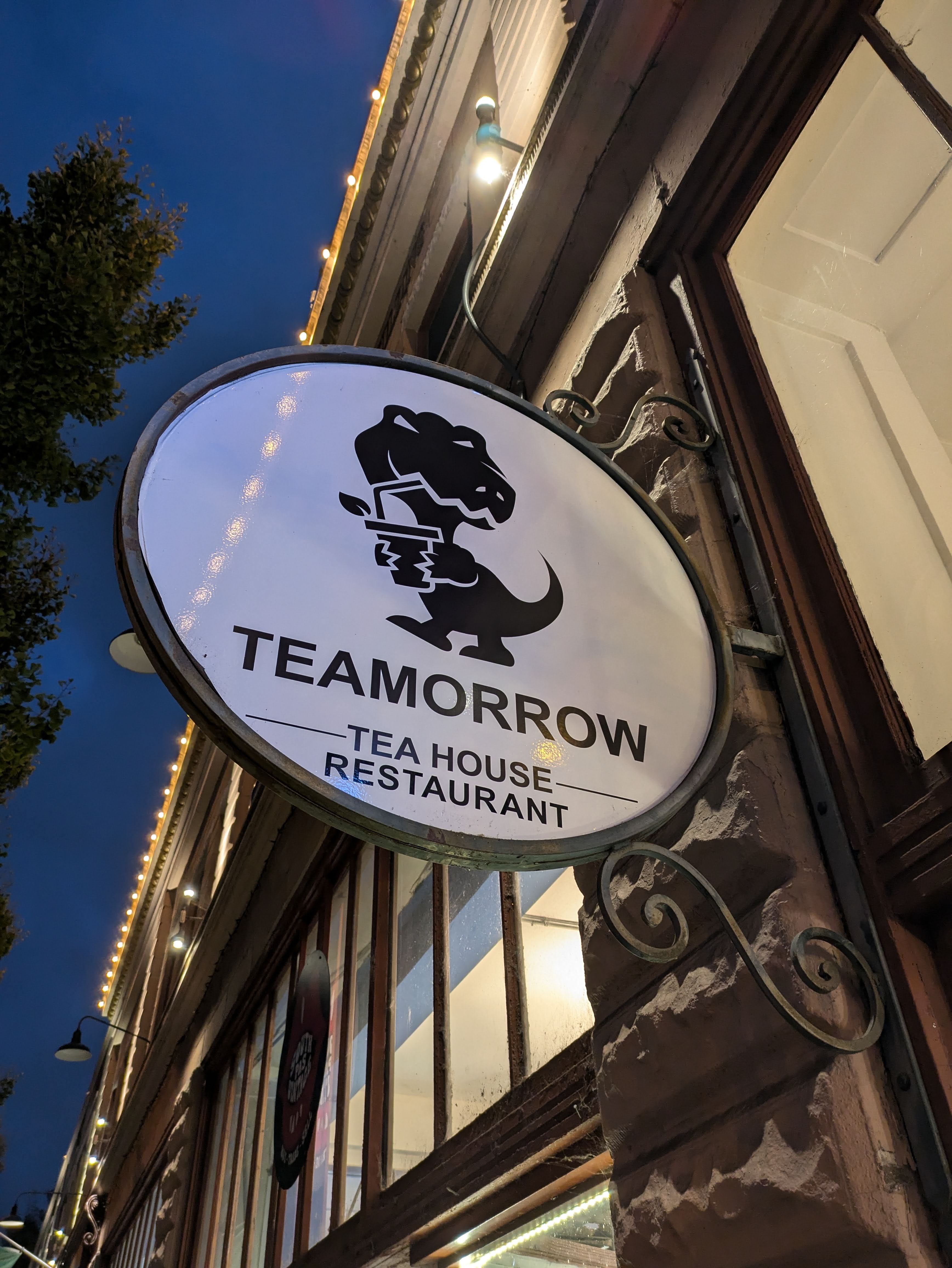
The intersection of Mission and Meridian is home to several lovely cafes, making it a good place to grab something to drink before starting your walk. On the corner in a really pleasant brick storefront is a location of La Monarca Bakery, a local chain of Mexican coffee shops, while next door is TeaMorrow, a delightful bubble tea place with a cute logo. And then there’s Jones Coffee Roasters across the street, with its lovely patio and mural facing the train tracks, as well as a second floor seating area with couches and board games.
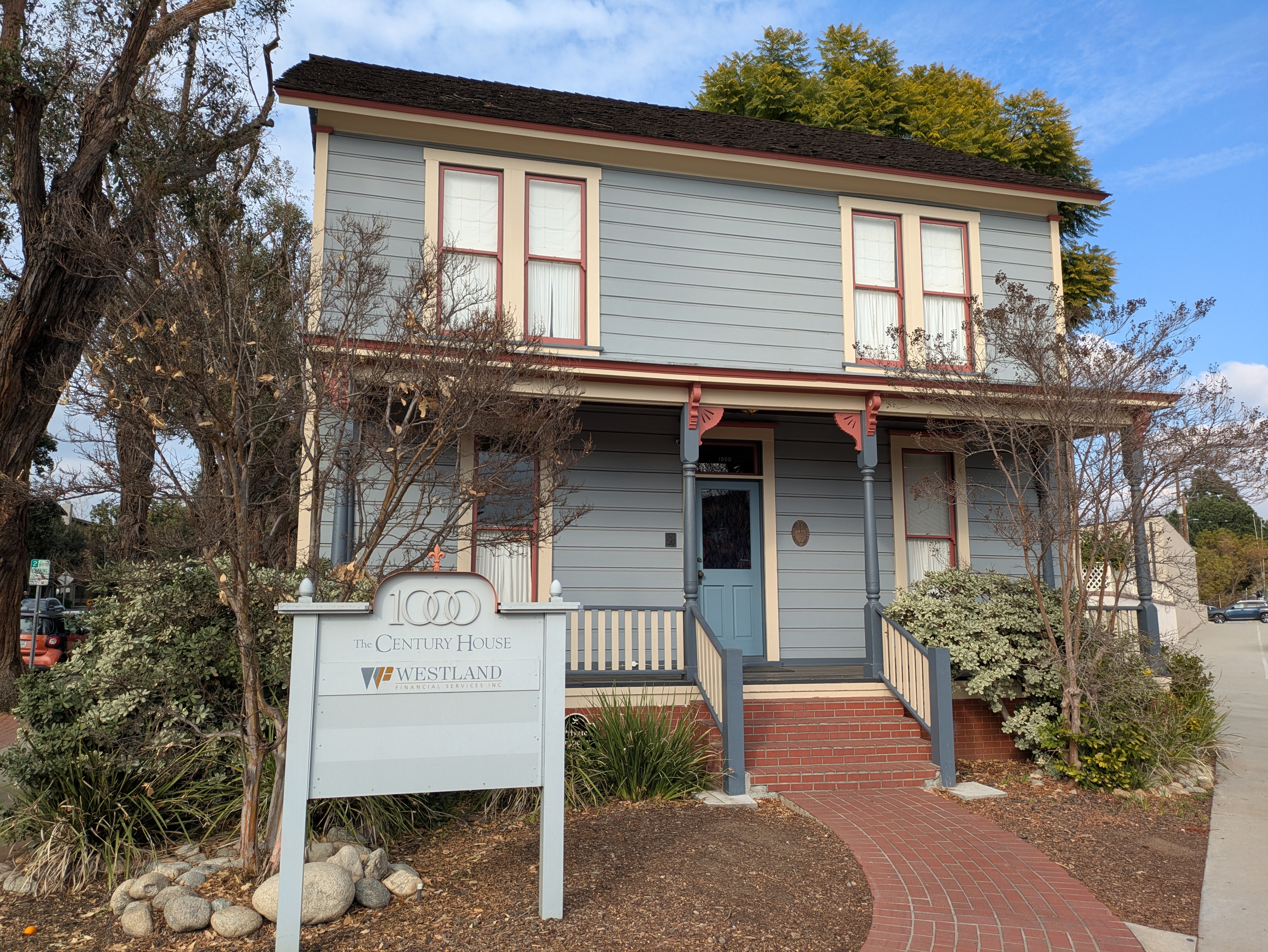
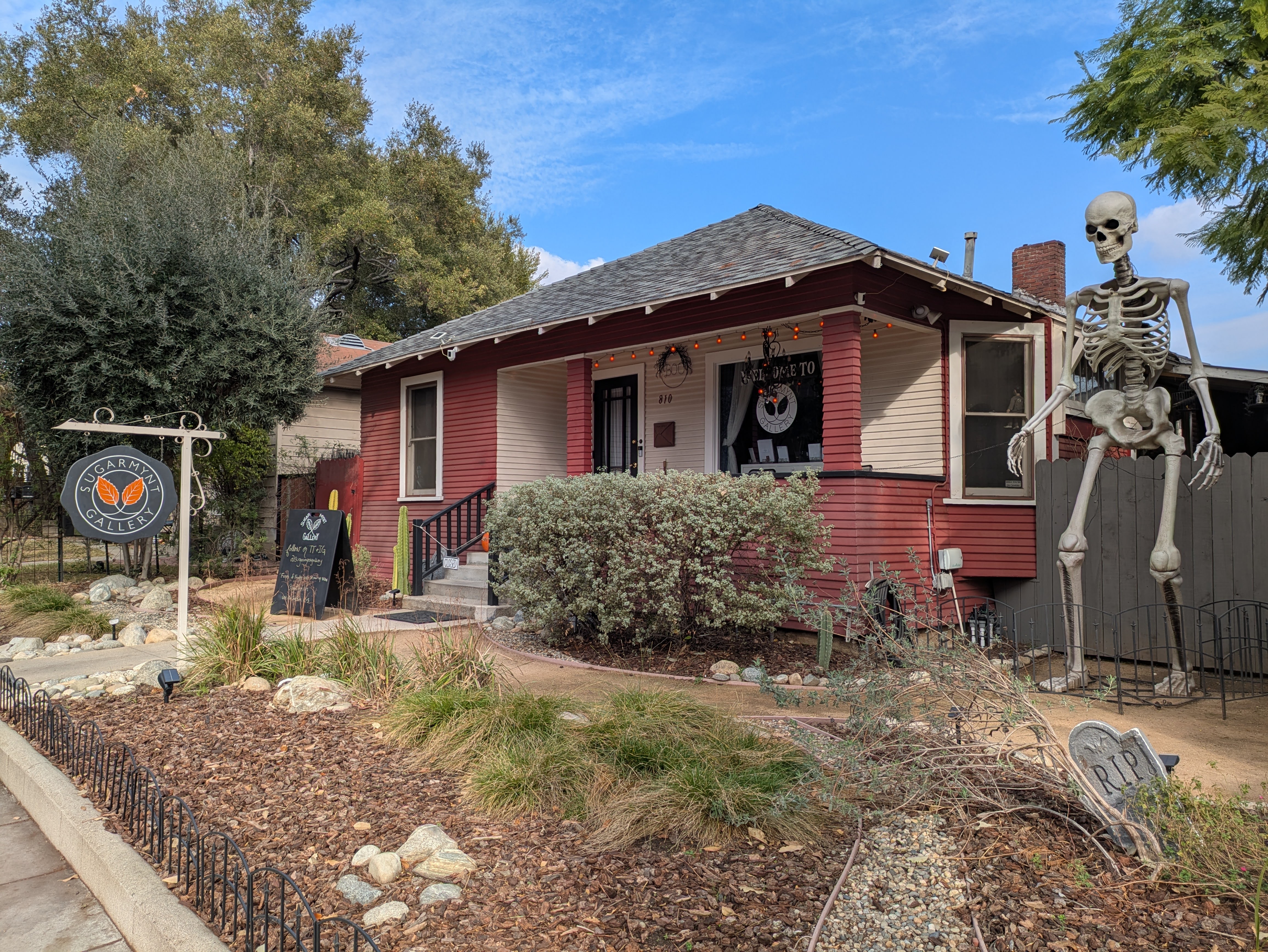
Across the tracks from Jones Coffee, wedged into a little triangular lot on the north side of the intersection, is perhaps South Pasadena’s most famous landmark: the Century House, one of the oldest buildings in town. But it’s better known as the Michael Myers House for its use in Halloween. It looks very different now than it did in the movie; since filming, it has been moved to save it from demolition and given a fresh paint job, with a bright baby blue instead of the drab white it has in the movie. But it still attracts plenty of revelers, especially around Halloween, when many folks walk up on the porch, take a peek through the front door, and snap some pictures, sometimes with a fellow dressed as Michael Myers hanging around. Directly behind the house is the Sugarmynt Gallery, which hosts an annual exhibition about Halloween every October, although it carries a steep admission price of $20.
The intersection of Mission and Meridian is also surrounded by a lot of shops and boutiques. Our favorite is Retreat Gifts on the northwest corner, which sells some lovely handcrafts made by local artisans, including a lot of jewelry, pottery, candles, and bath products, as well as some very nice journals and hand-drawn greeting cards.
The stretch of Meridian Avenue just south of the station hosts the weekly South Pasadena Farmer’s Market every Thursday evening, which is perhaps the most active farmer’s market in the area, with three blocks of vendors that draws plenty of crowds. There’s a good selection of produce, baked goods, and hot foods, as well as live music that’s very mellow.
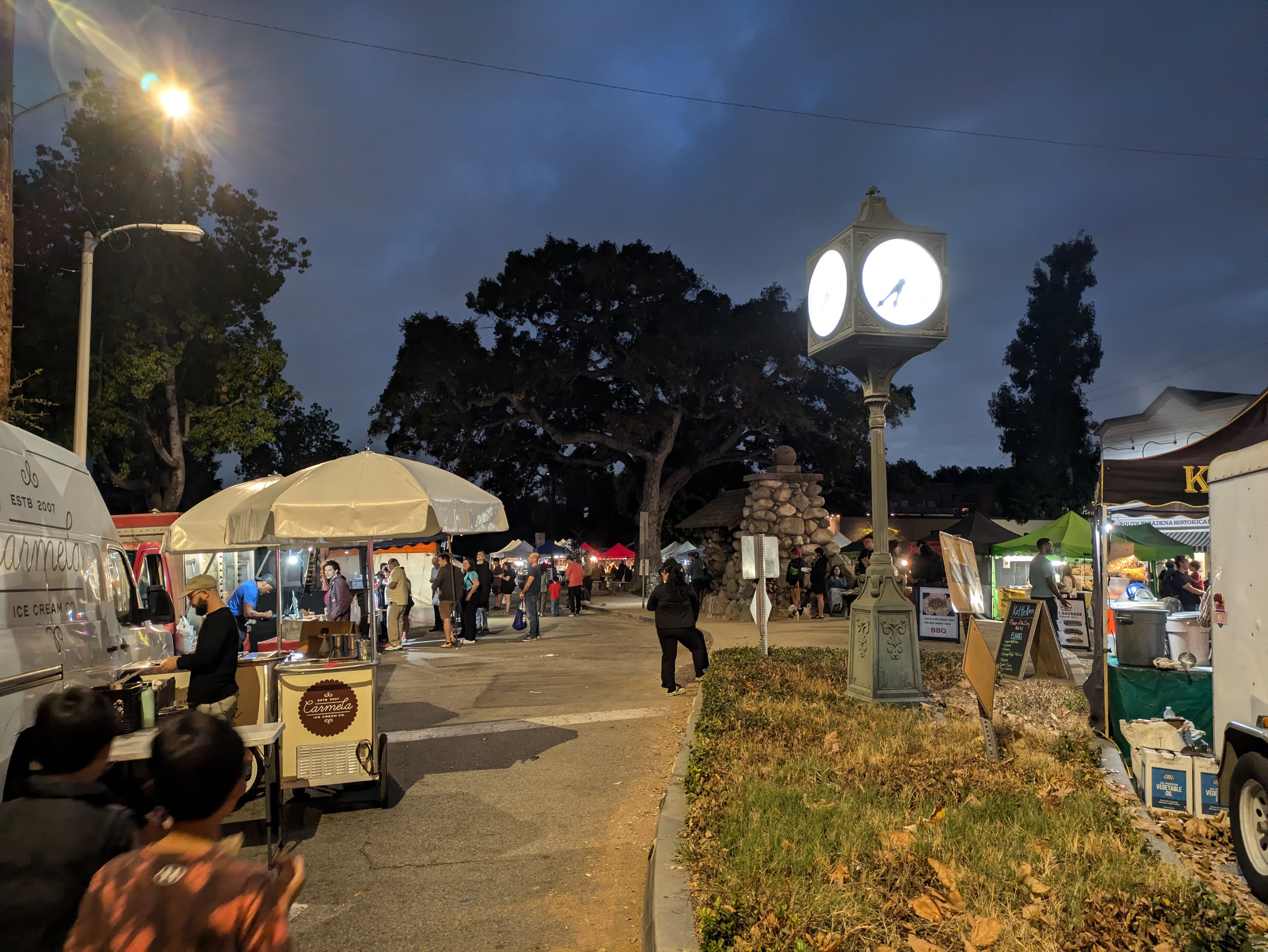

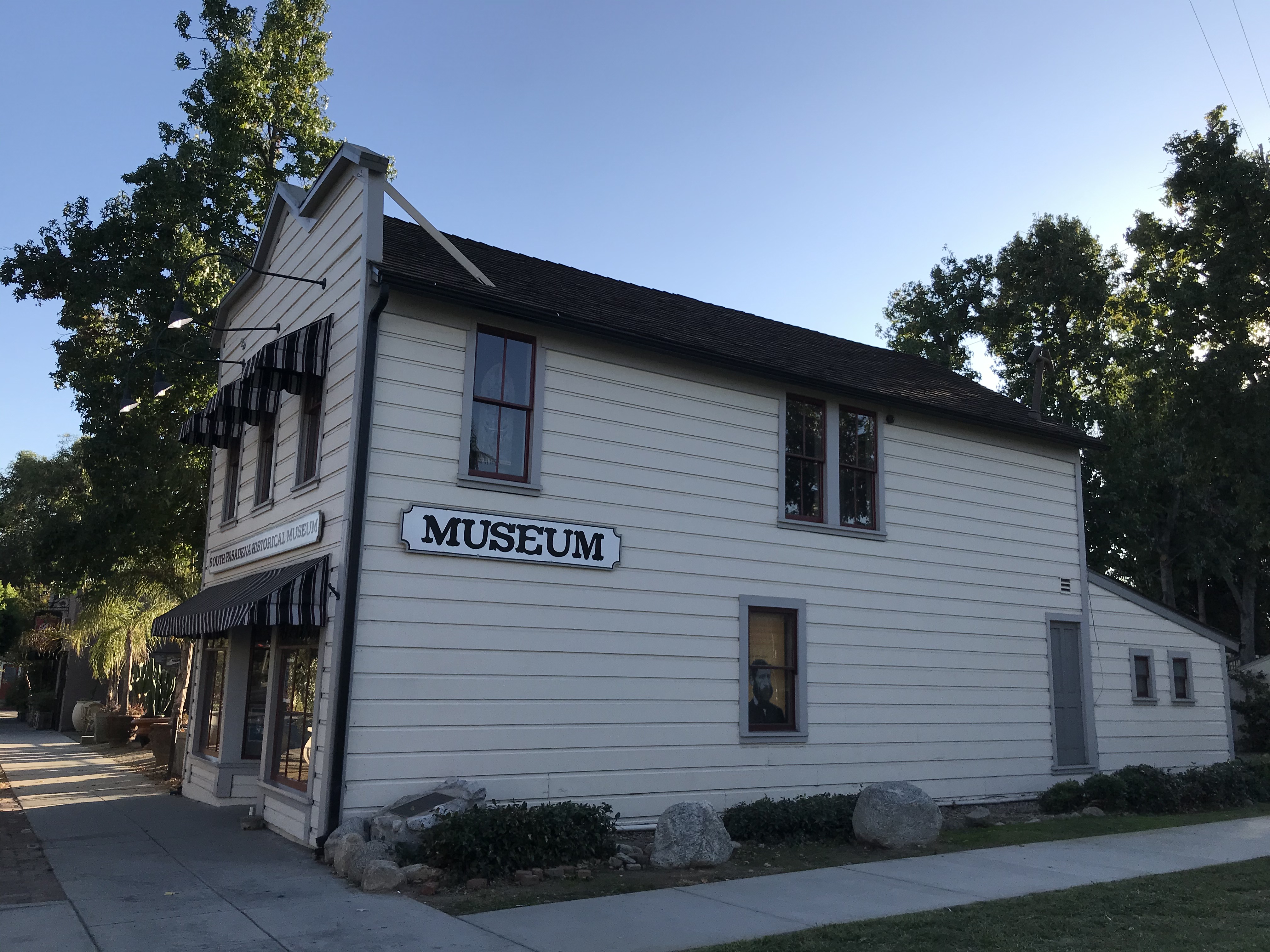
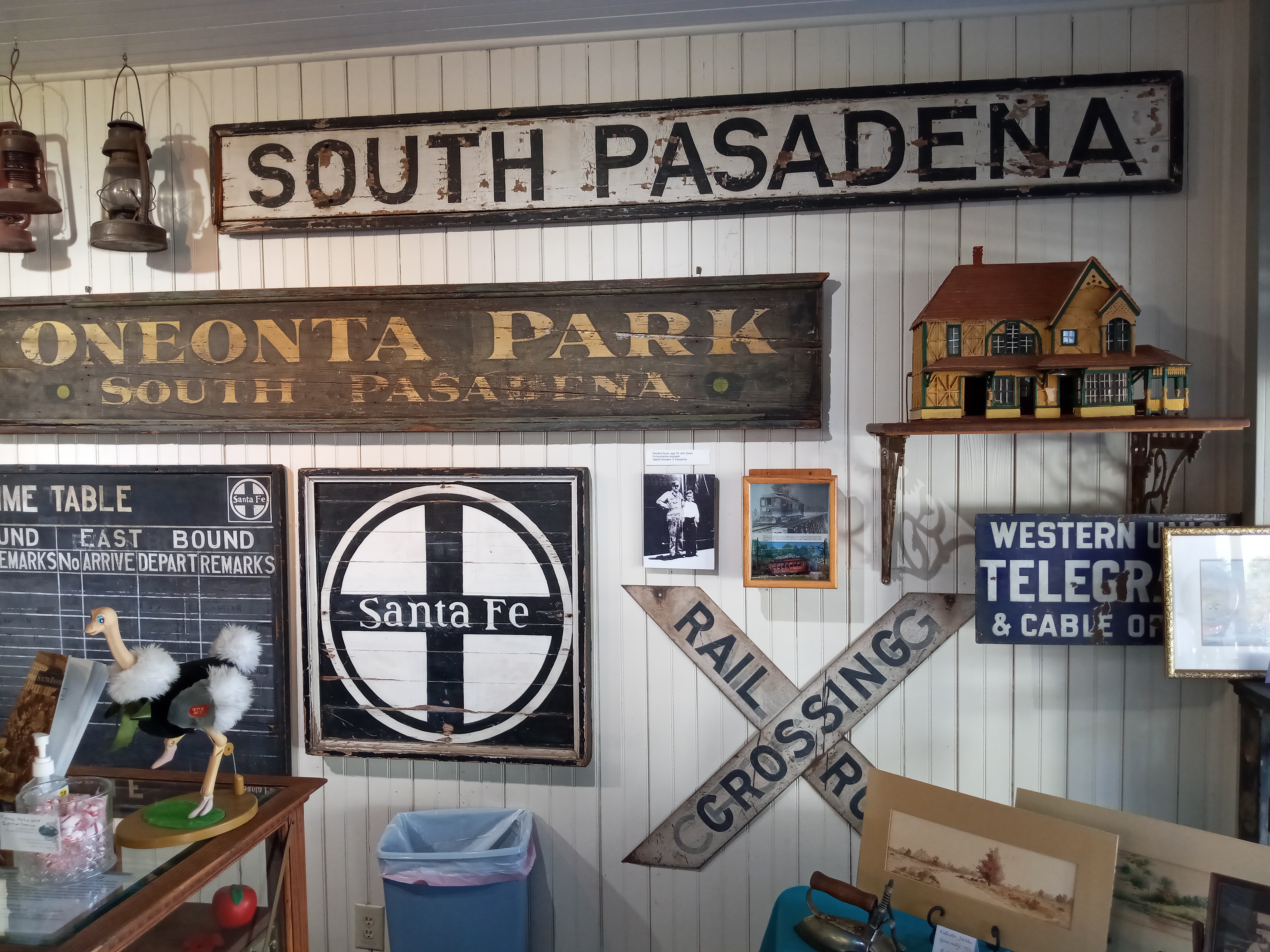
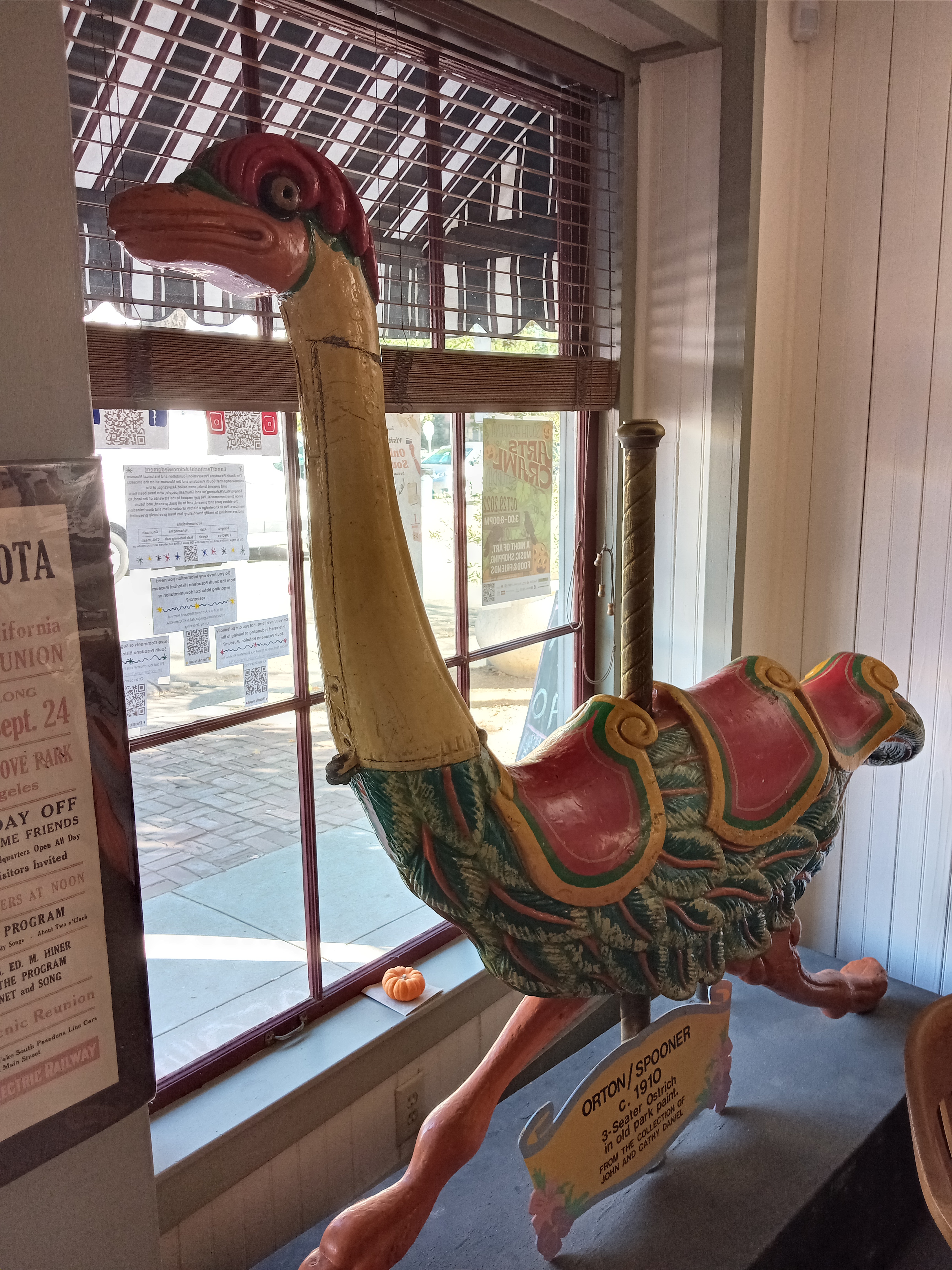
Along the same stretch of Meridian is a tiny wood frame building—one of the oldest in town—holding the South Pasadena Historical Museum. Its hours are extremely limited, with its doors only open on Saturday afternoons and during the weekly farmer’s market on Thursdays. Among the artifacts inside are a colorfully-painted ostrich from an old merry-go-round and lots of railroad memorabilia, as well as displays on Tongva culture, the railroad history of South Pasadena, and a recreation of a general store that used to occupy the building.
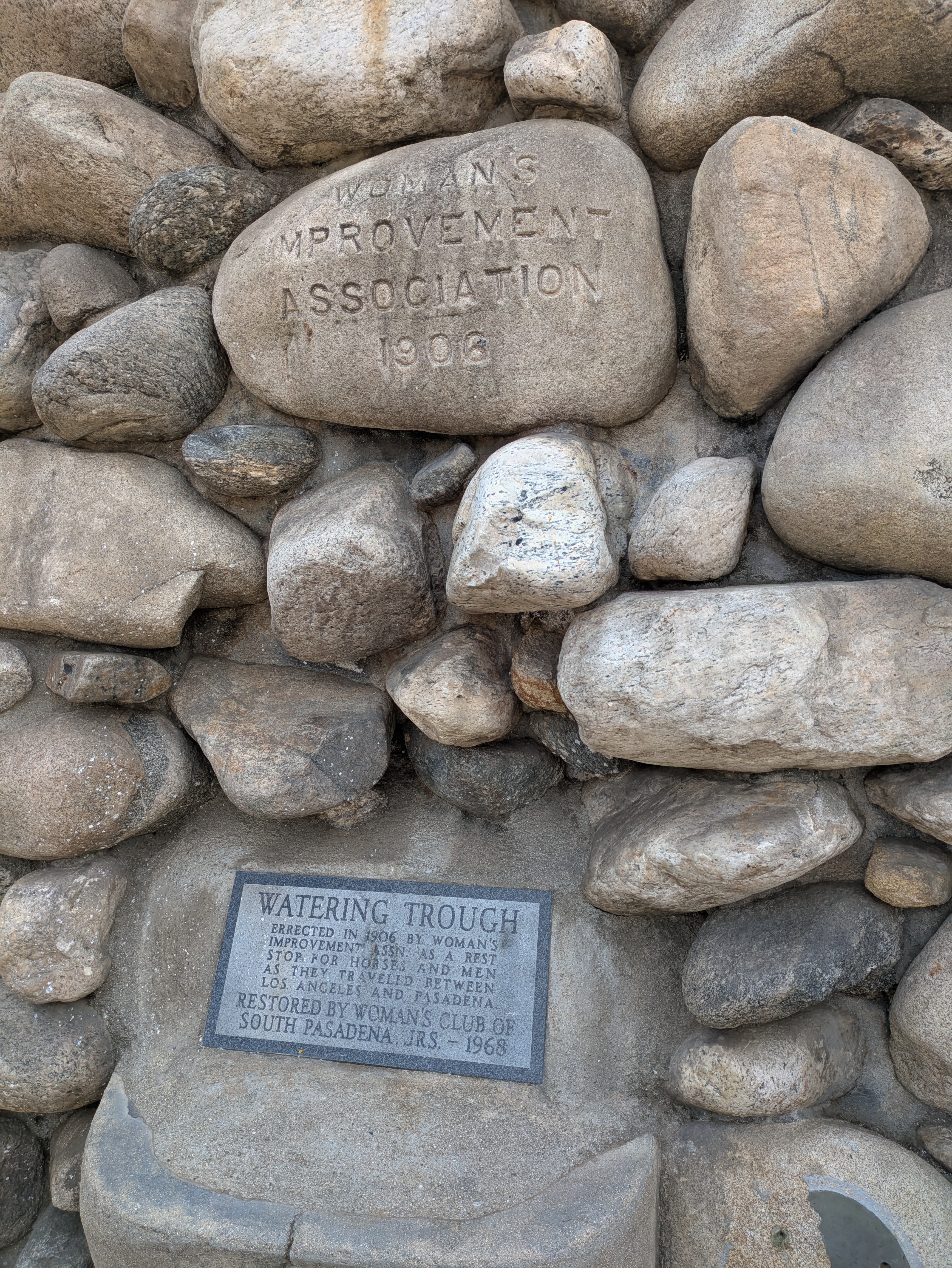
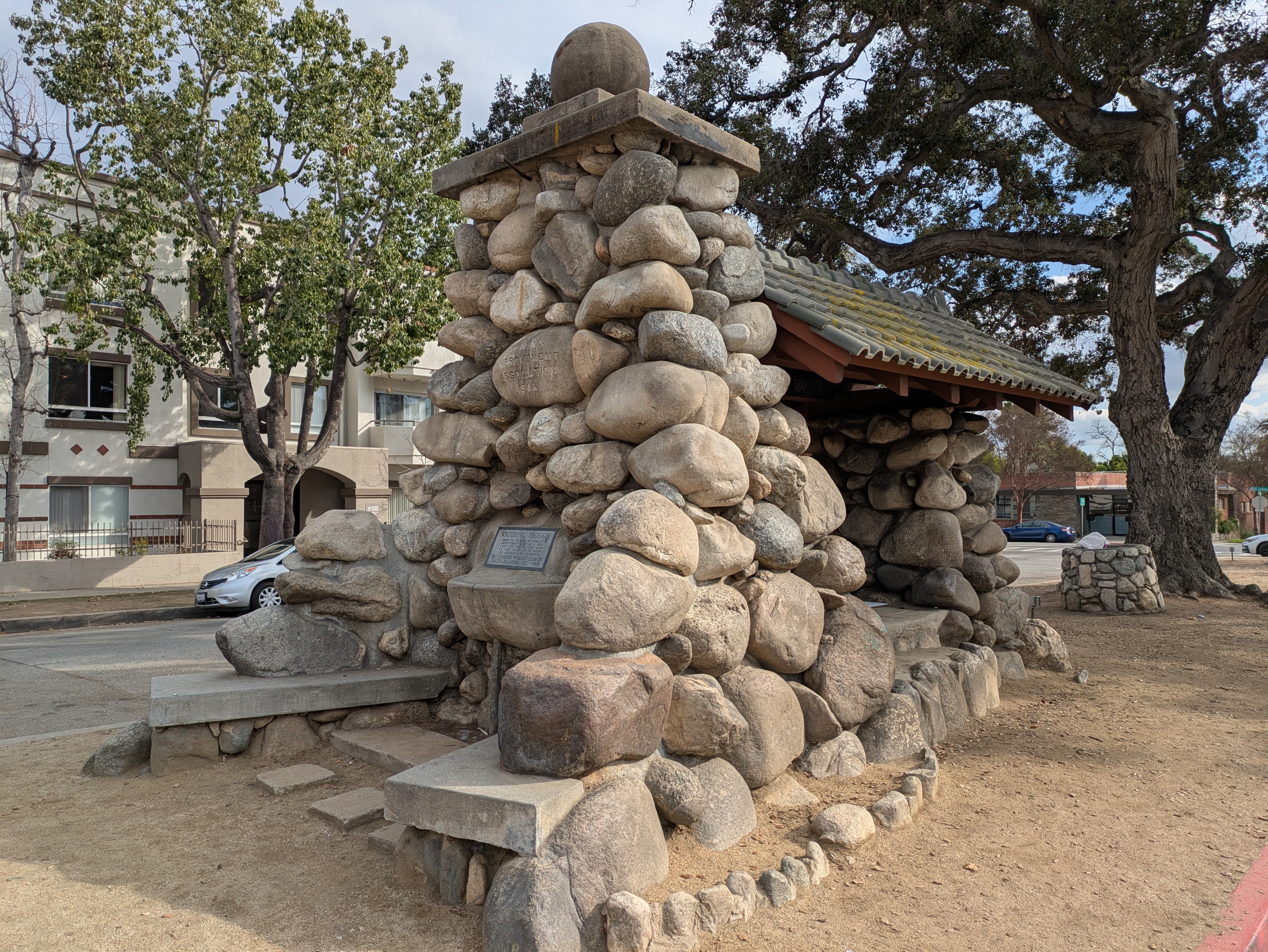
Right in front of the museum, in the median of Meridian Avenue, is another interesting piece of town history: a watering trough made of large boulders, built in the 1900s as a rest stop for horses traveling between Pasadena and Los Angeles. Today, it’s a sheltered bench where you can sit down and people watch.
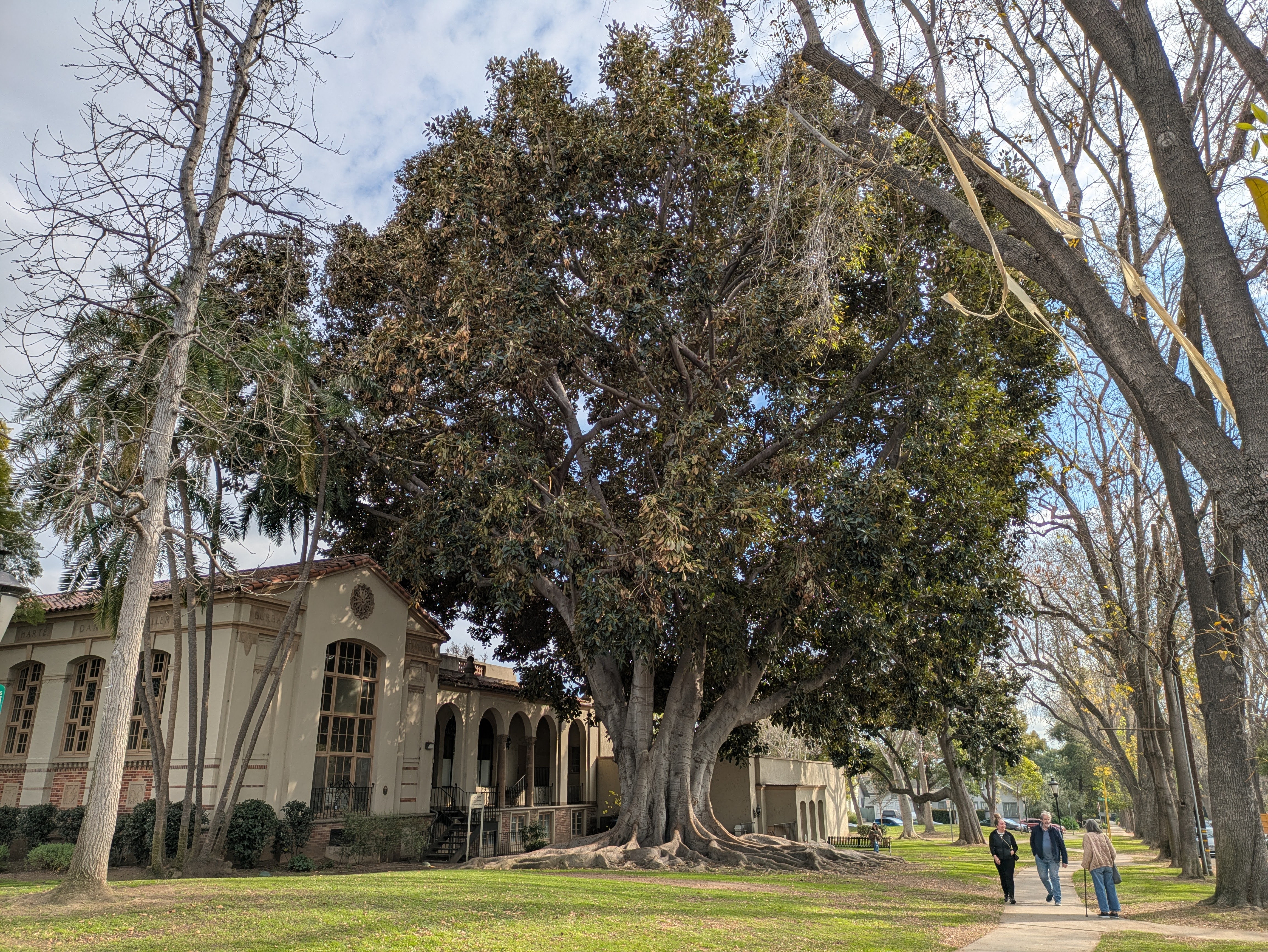
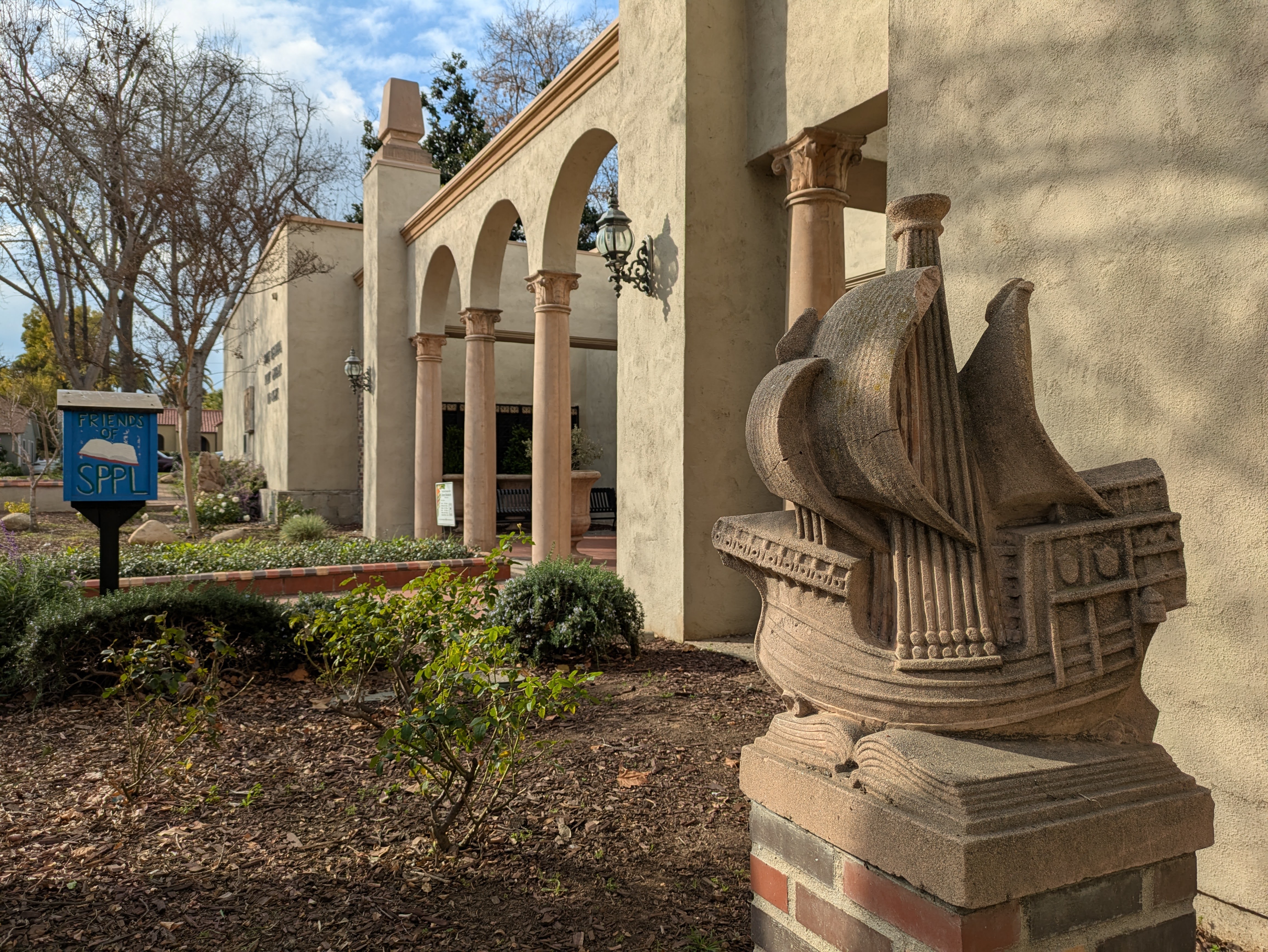
This stretch of Meridian Avenue is a splendid example of South Pasadena’s tree-lined streets, but the best is yet to come. From Mission, walk a block south on Meridian, make a left onto El Centro Street, and after passing another charming coffee shop you’ll come across a shady block holding the South Pasadena Public Library. The block is a lovely park, with old oaks and a giant fig tree (allegedly the largest tree in town) surrounding the library building, a former Carnegie library built in the 1900s. You’ll almost always find people relaxing on the lawns, sitting in the brick patios of the library, or climbing over the massive roots of the fig tree. And the library itself is a lovely piece of architecture with some nice pieces of public art outside.
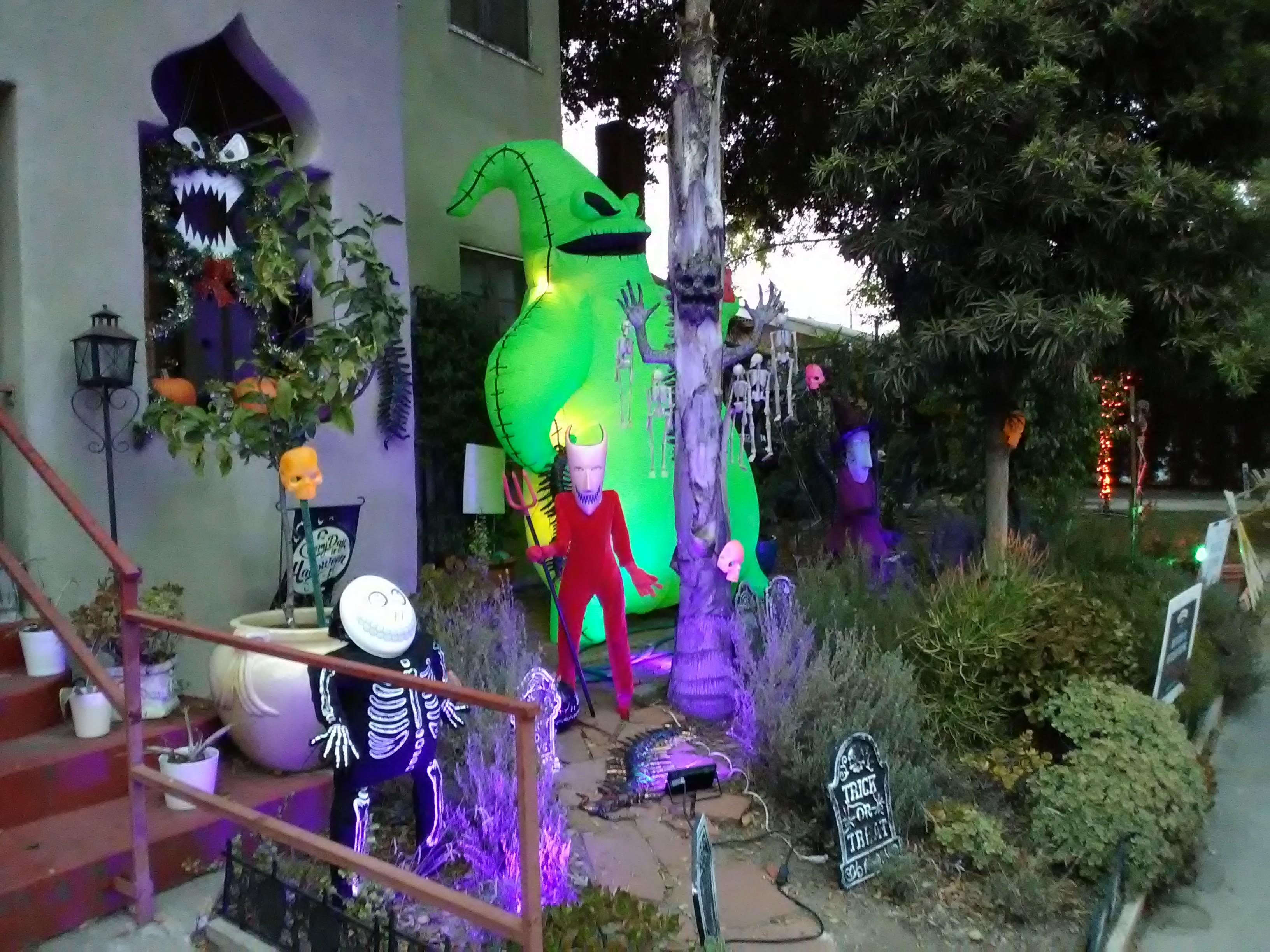
The stretch of Diamond Street south of the library is lined with impressive oak trees, but around Halloween it’s also home to South Pasadena’s spooky answer to Christmas Tree Lane. The street trees are wrapped with orange lights and most of the houses have incredibly elaborate Halloween displays in their front yards. In fact, on Halloween night, this stretch of street is closed off to cars and becomes a wildly popular trick-or-treat area, with everyone going all out on the festivities. No other community in Southern California takes Halloween as seriously as South Pasadena, and given that some of the trees here actually change color and drop their leaves, it also comes the closest to capturing a Midwestern autumn look that anyplace in Southern California can manage.


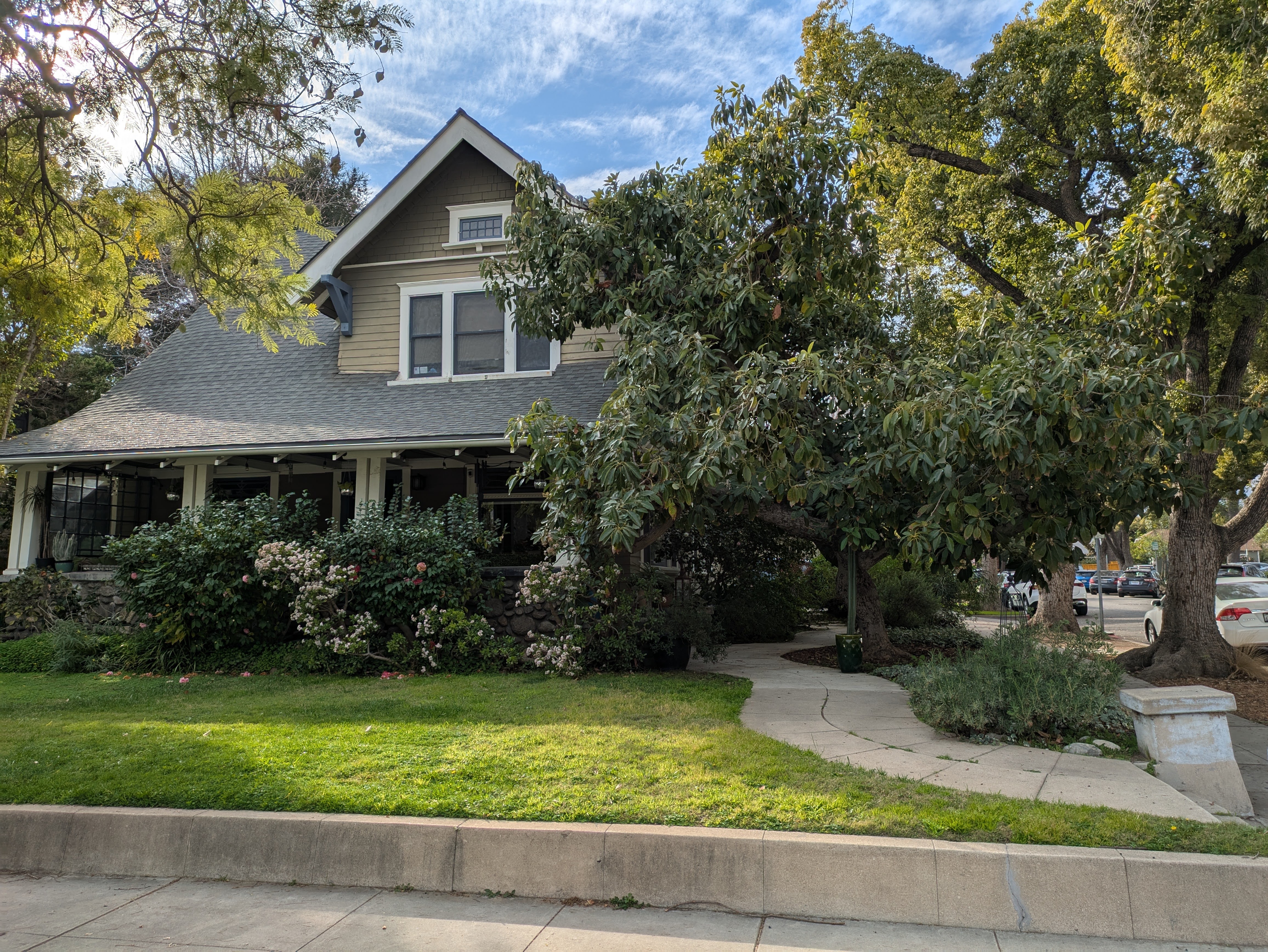
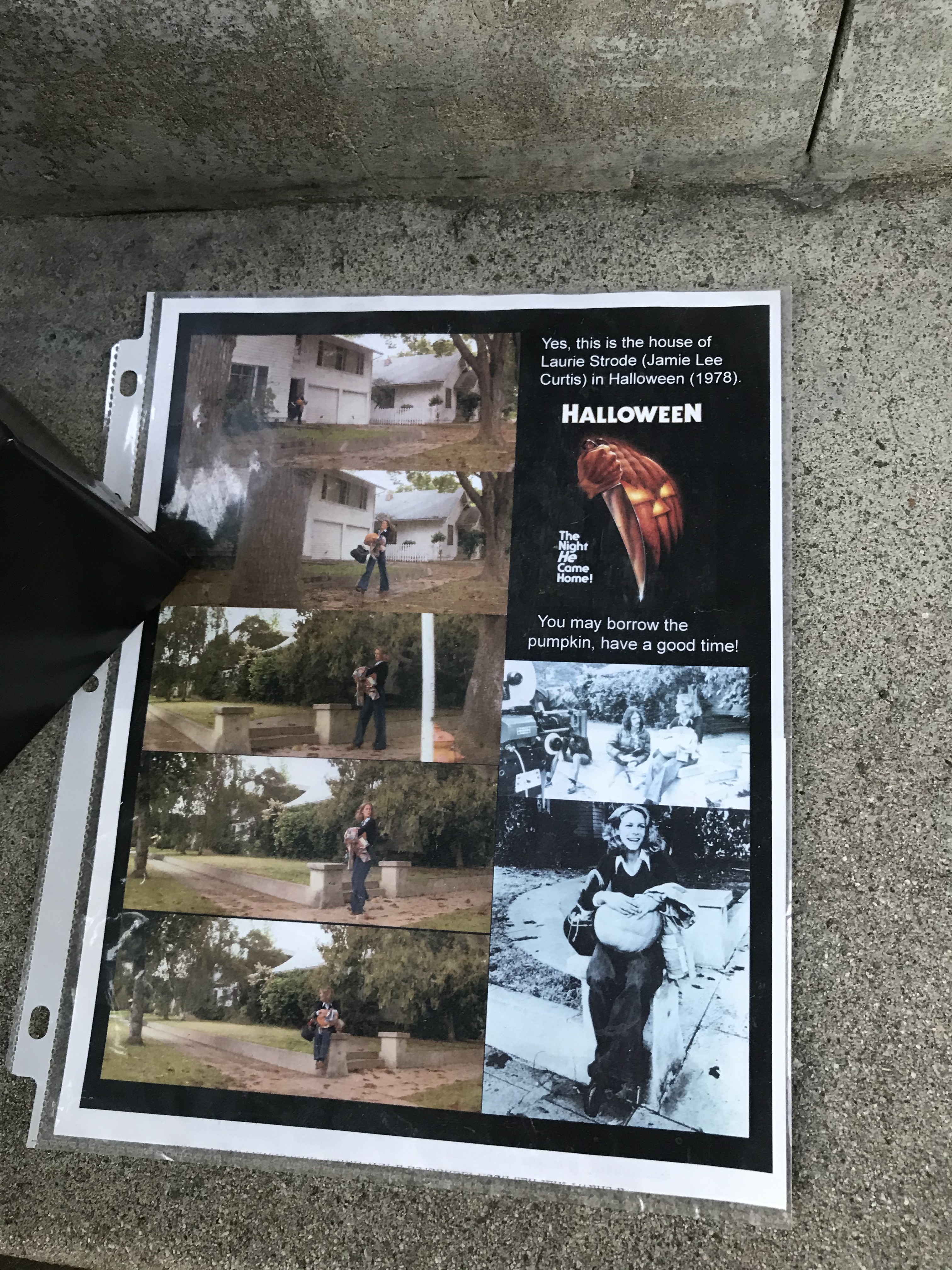
On the other side of the library is another noted landmark associated with the original Halloween film. At the southwestern corner of Oxley and Fairview, just across the street from the library, is perhaps the most accommodating movie house ever. This house played the part of Laurie’s home in the film, and the current owners have even provided a prop pumpkin outside on the corner so movie fans can reenact the scene where Jamie Lee Curtis sits on the corner of the yard. Around Halloween time, you’ll see plenty of people eagerly taking part.
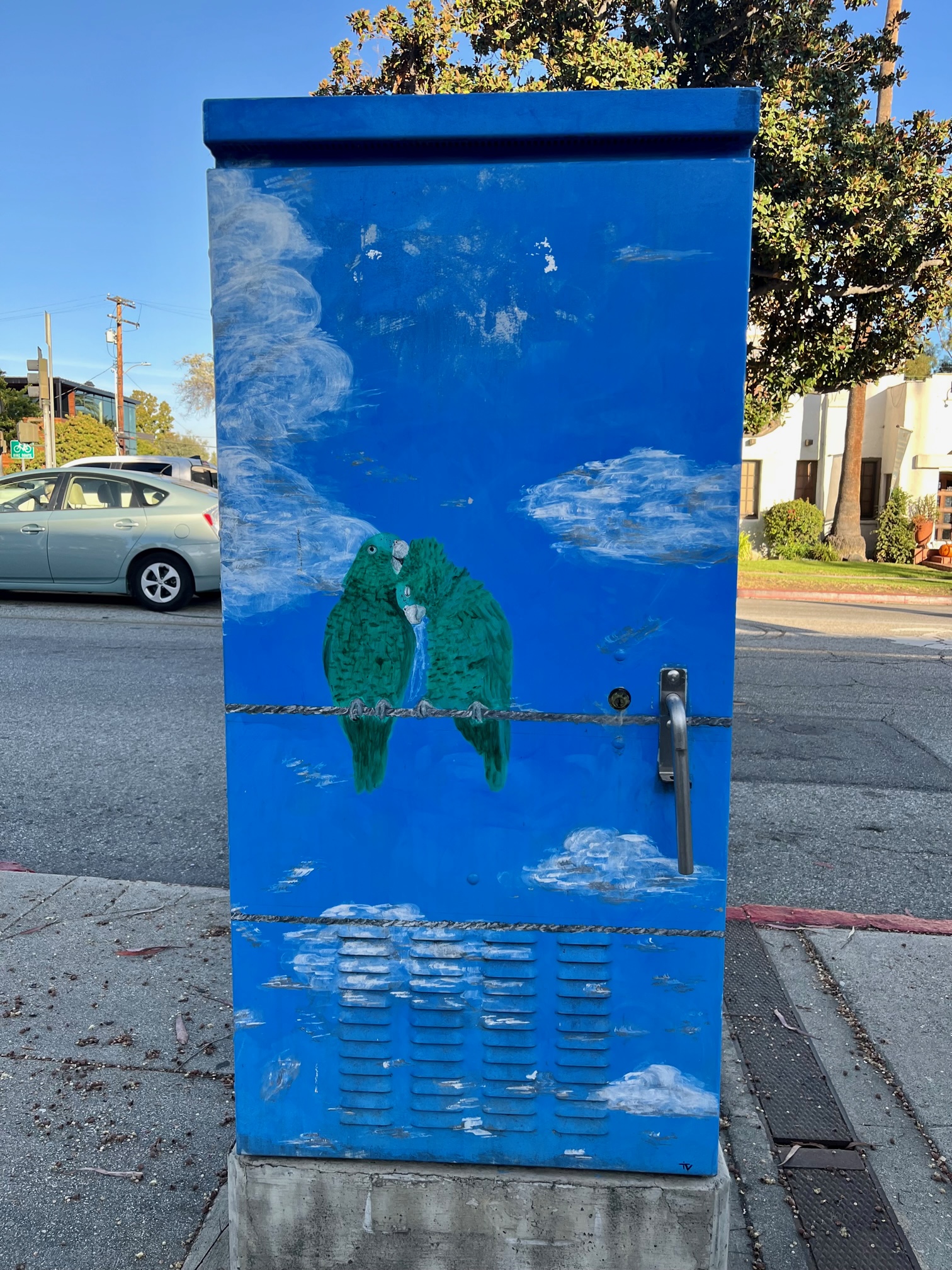
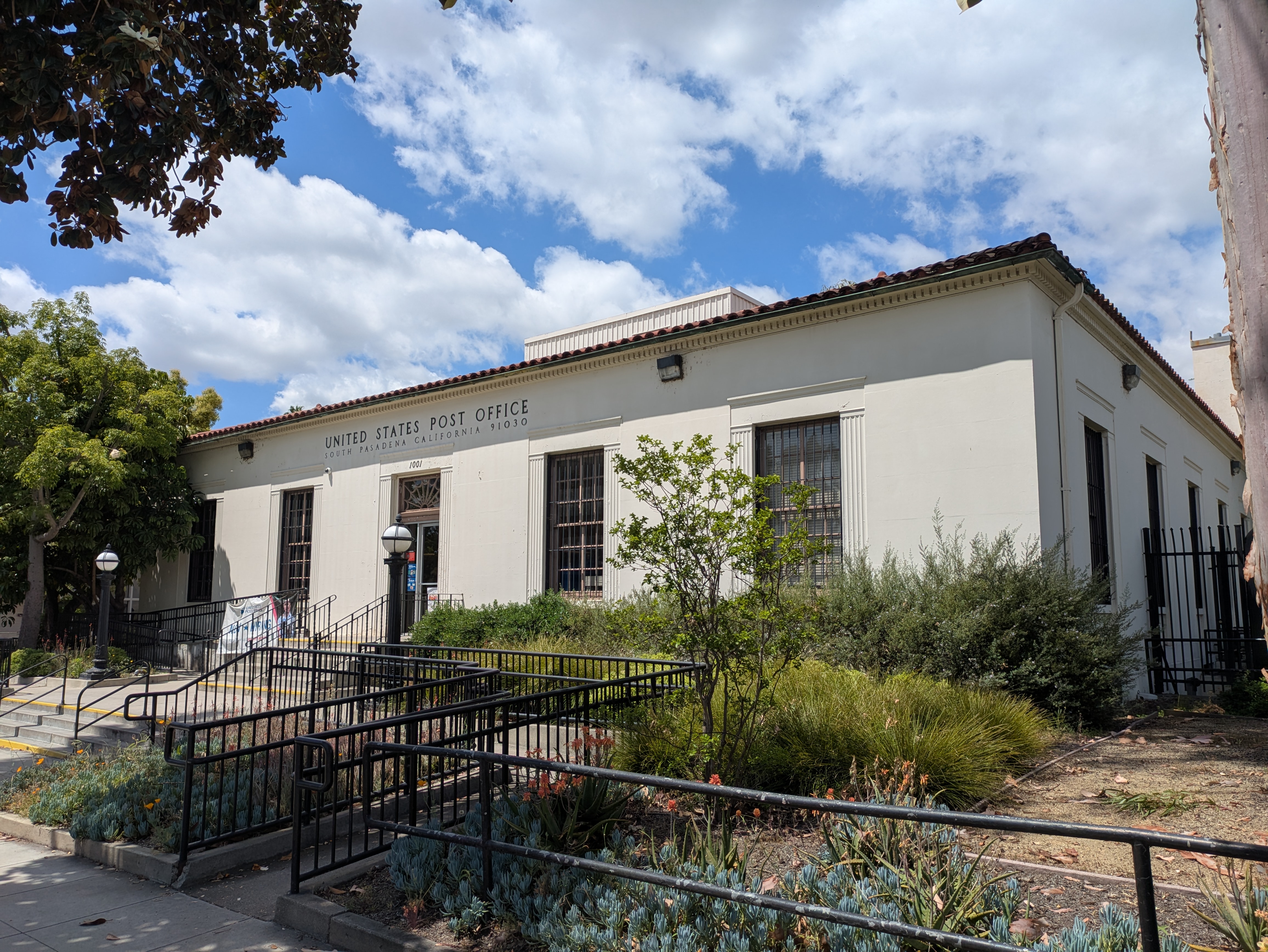
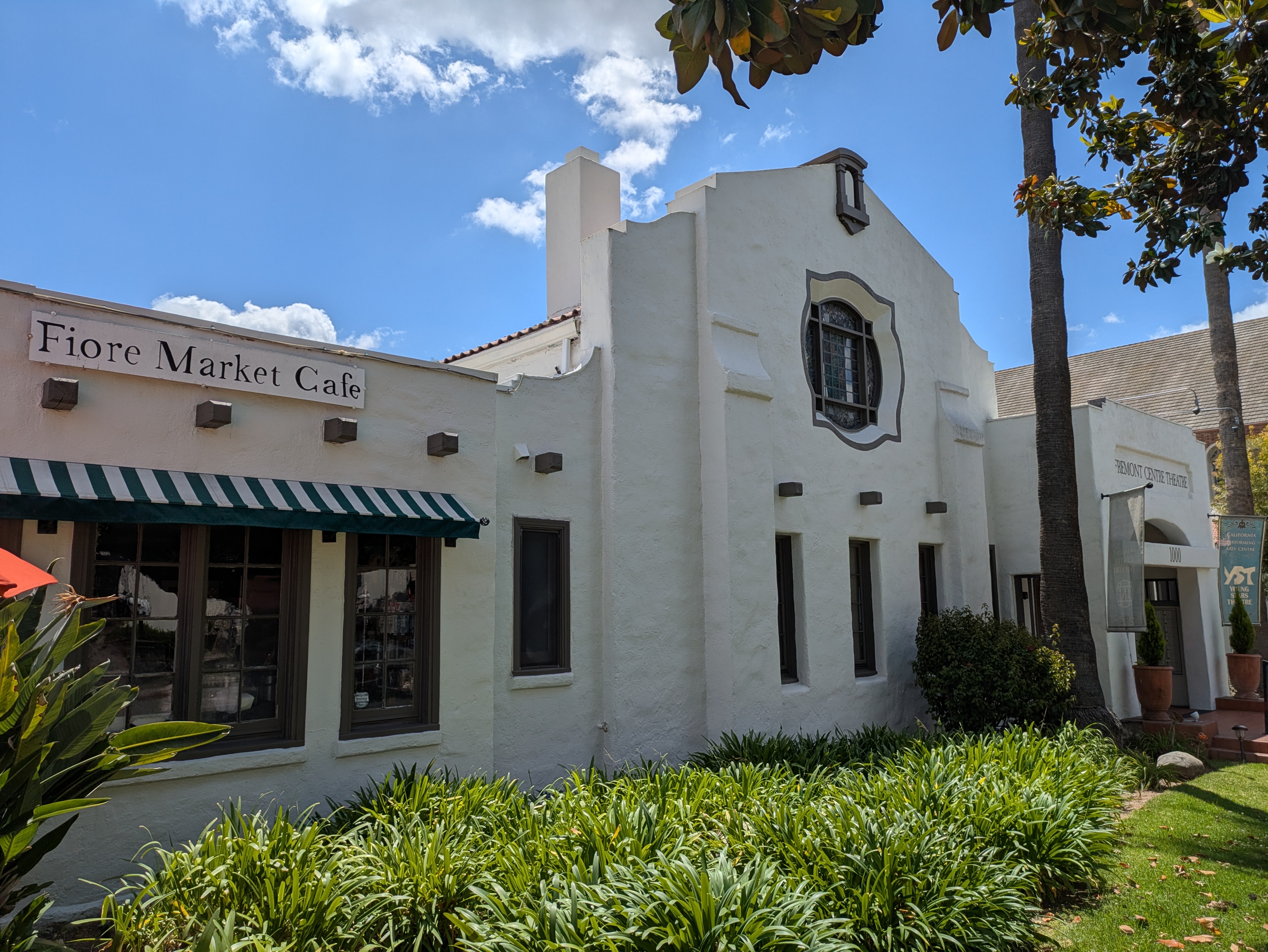
From here, continue east on Oxley Street, through a neighborhood of Craftsman houses. Crossing Fremont at Oxley is a hassle, as the traffic is heavy here and there’s only a flashing crosswalk to alert drivers; instead of waiting for that one polite driver to eventually slow down and let you cross, we recommend walking a block back up to El Centro and crossing at the light there, where you’ll also be treated to some delightful buildings like the town’s post office and the cute little Fiore Market Cafe, which makes excellent sandwiches. There’s also a utility box painted with a mural of a pair of wild parrots, who frequent South Pasadena’s lush tree cover.
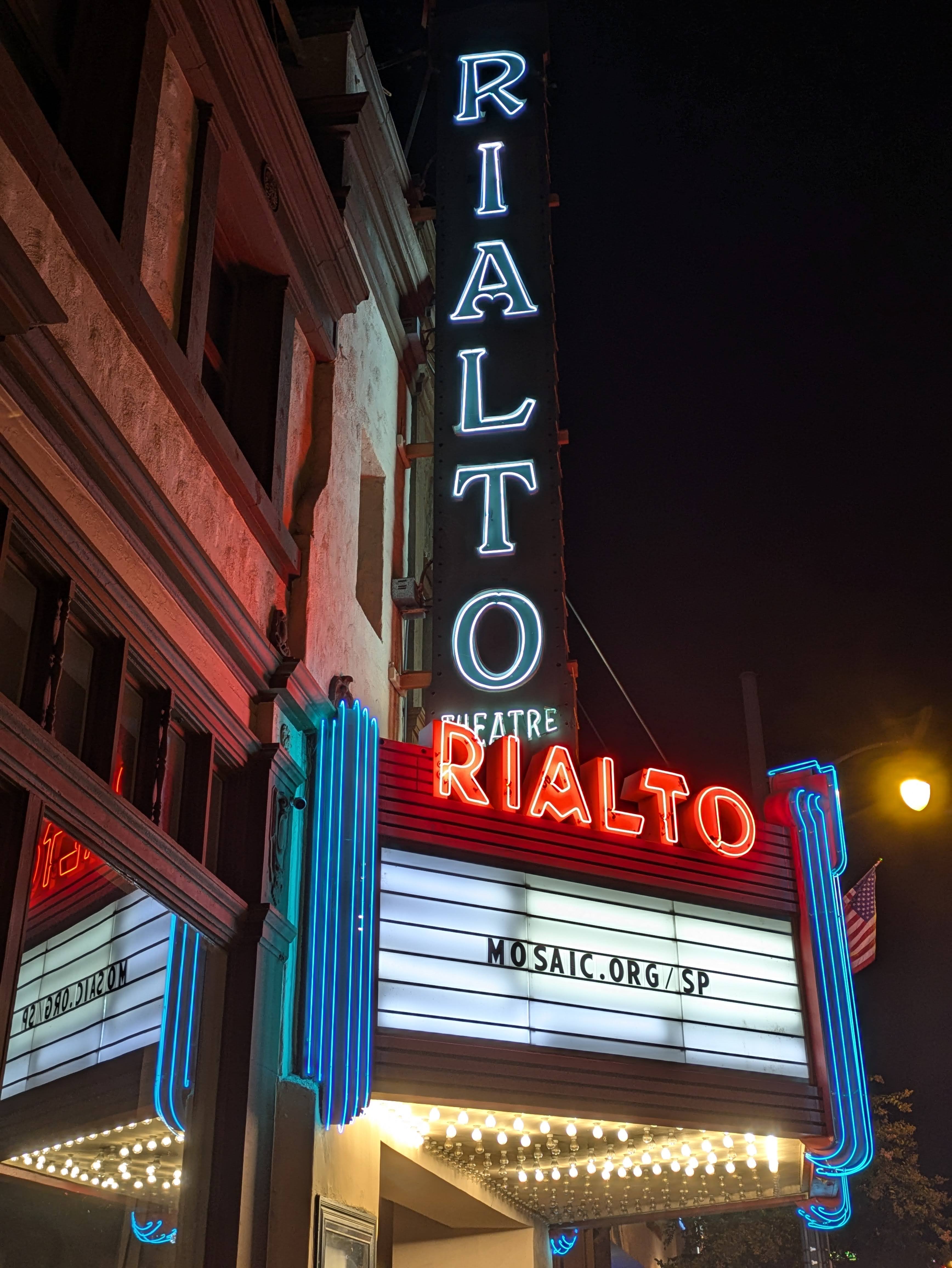
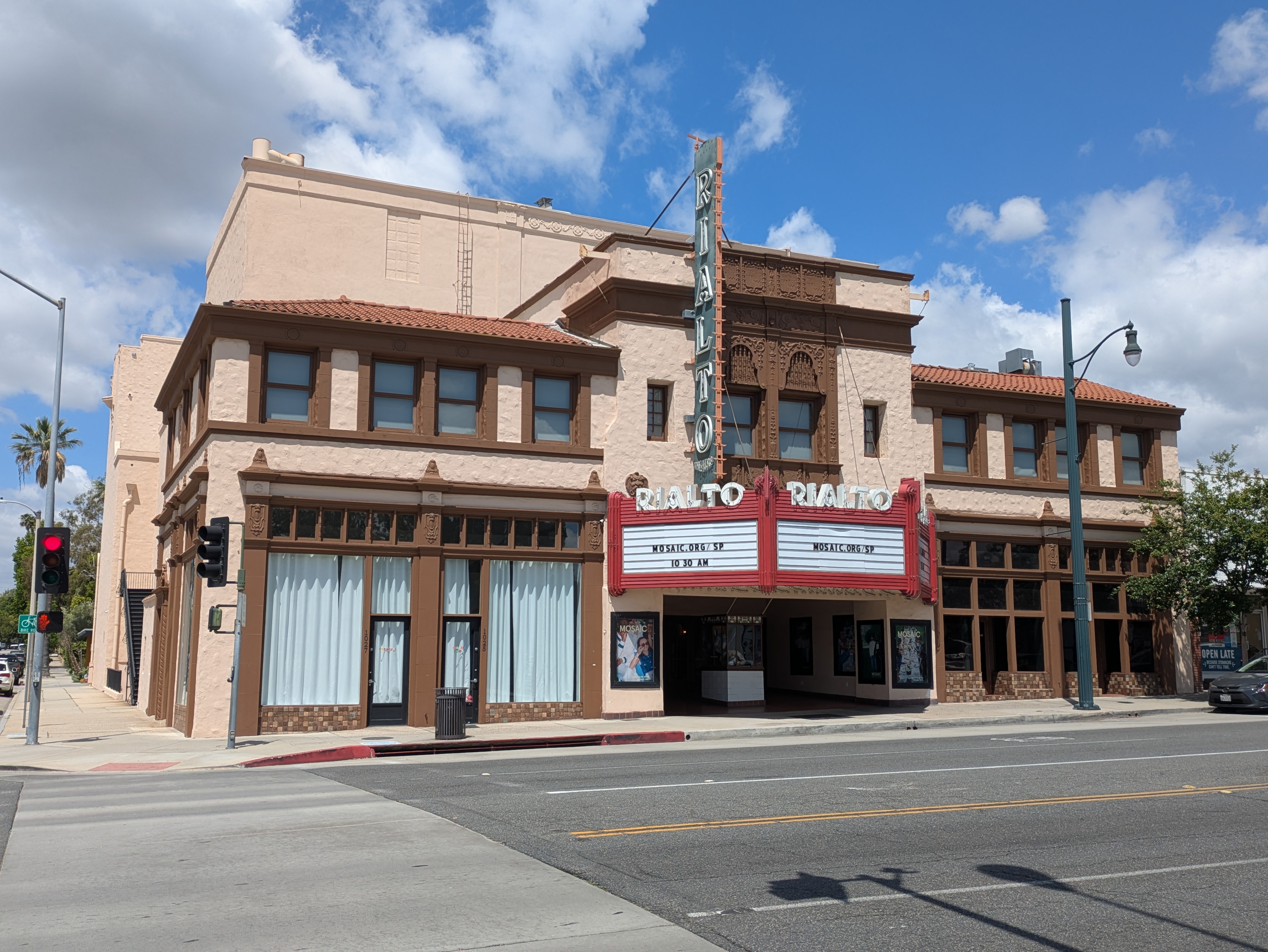
Continue east to Fair Oaks and turn right, and you’ll come across an architectural gem: the Rialto Theater, a grand old movie theater on the corner of Fair Oaks and Oxley. Built in 1925 in a mismatch of Baroque styles, the theater now serves as a church, with a marquee sign that is beautifully lit at night. Its exotic appearance has made it a popular filming site, particularly for horror films, although its best appearance in a movie was probably as the murder scene in Robert Altman’s The Player, which took place in the alleyway behind the theater.
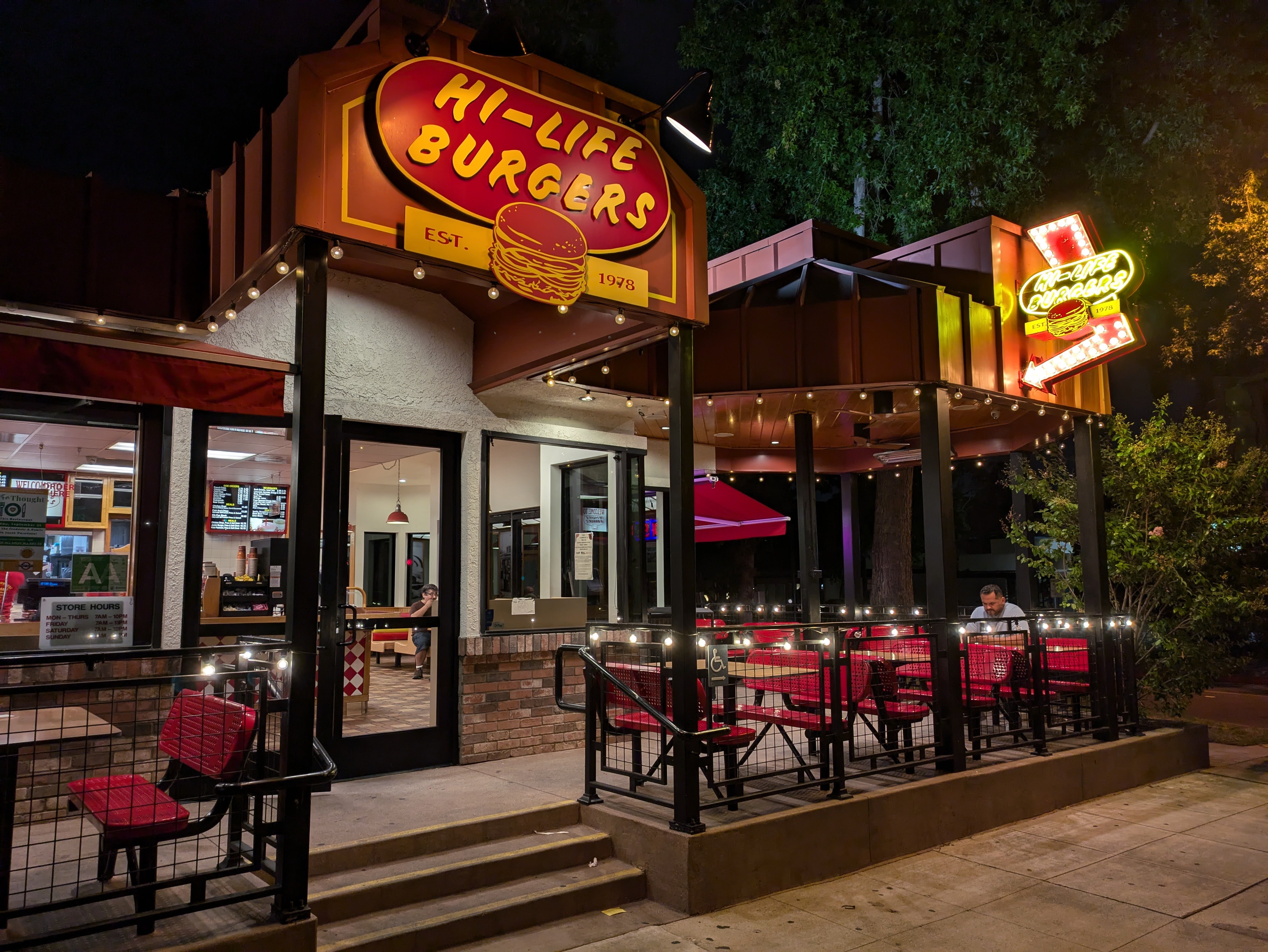
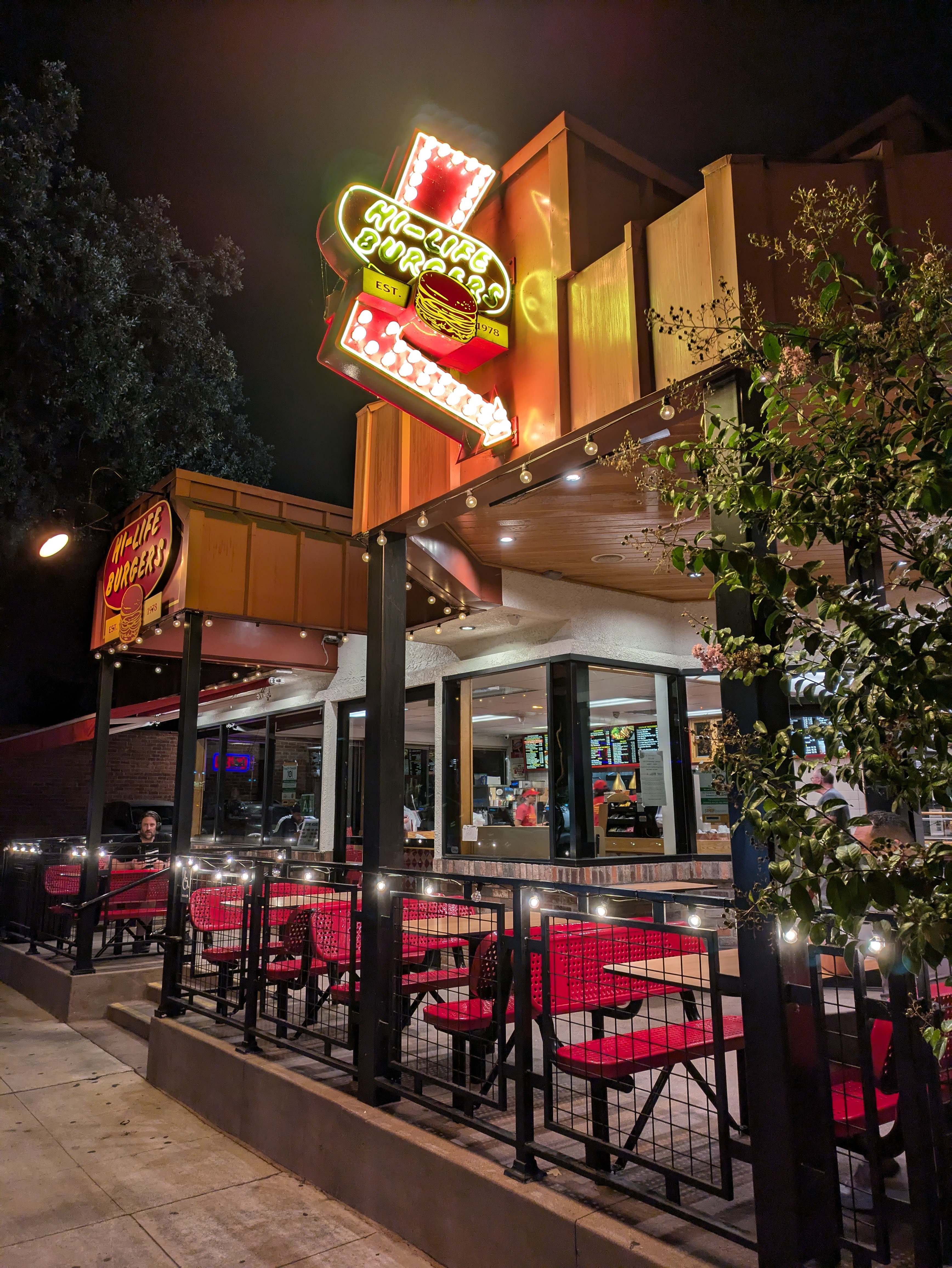
If you don’t mind the short diversion, this is a good opportunity to try one of South Pasadena’s oldest restaurants. Three blocks south on Fair Oaks is Hi-Life Burgers, a bright red burger stand dating back to the ’70s which still serves old-school burgers and fries, as well as a pretty decent breakfast burrito.
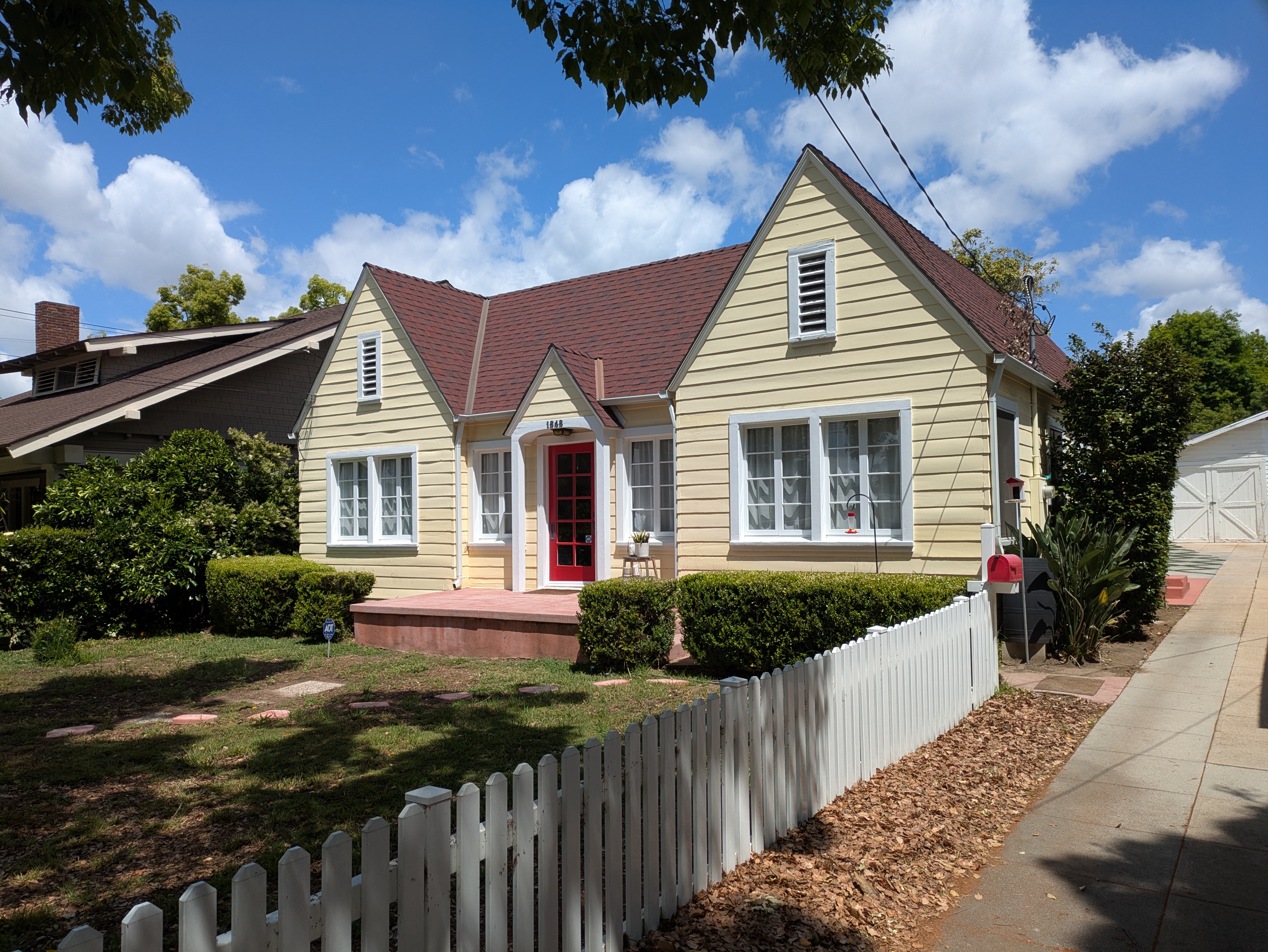
Continuing east down Oxley Street, you’ll enter a very quiet and pleasant neighborhood, with lots of lovely Craftsman-style houses and tree-lined streets. On the block after Avon Place, several blocks east of Fair Oaks, you’ll come across another filming location from a beloved ’80’s movie: Pee Wee Herman’s house from Pee Wee’s Big Adventure. The house looks a little different from the film; it has a subtler paint job and lacks the wacky lawn ornaments seen in the movie. But otherwise the house looks unchanged, and even exudes a certain brightness that makes it stand out.
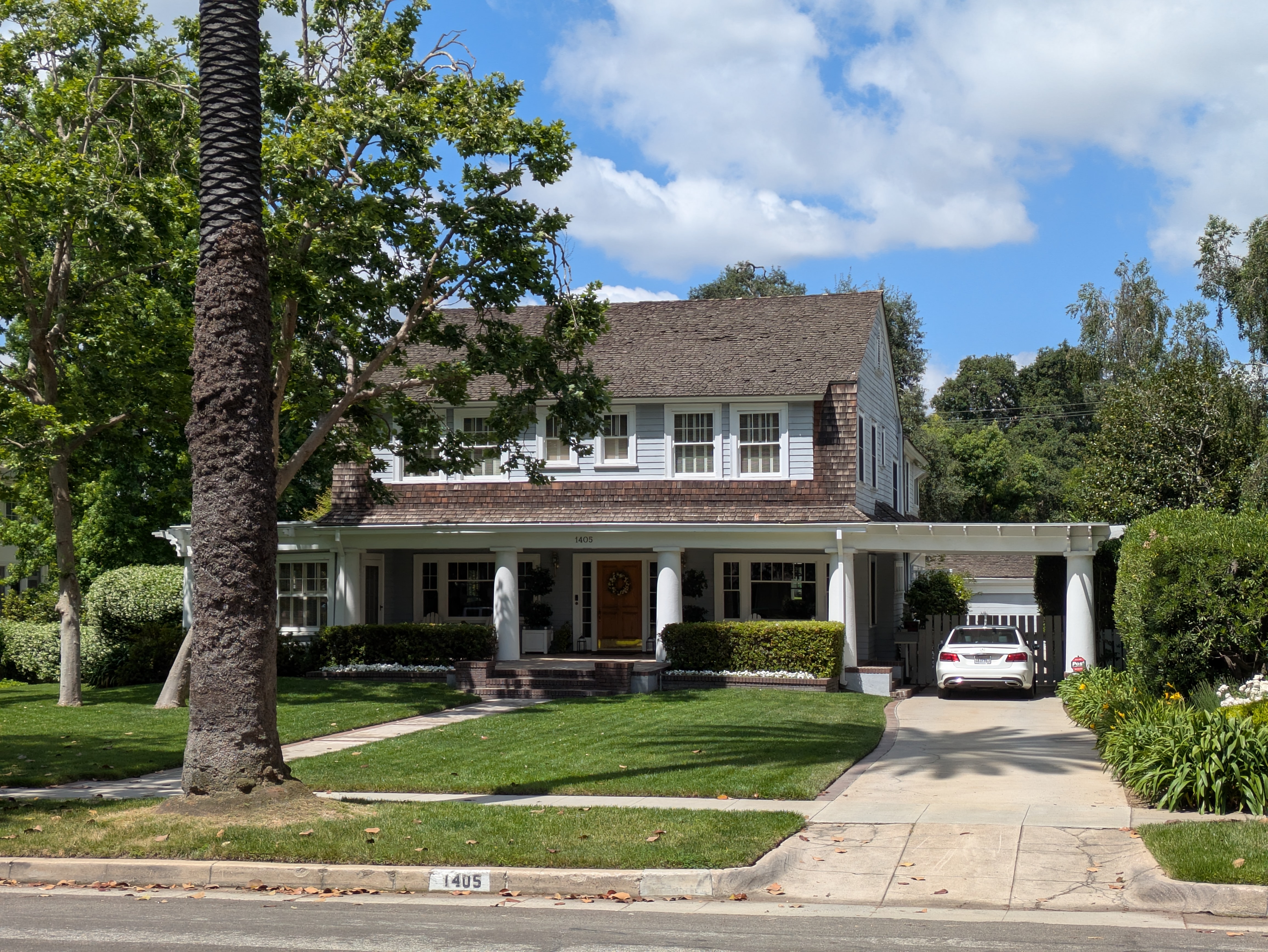
Yet another movie house sits nearby in the same neighborhood. Just past Pee-Wee Herman’s house, make a right onto Milan Avenue and head south a few blocks. You’ll enter a stretch of the street lined with palatial suburban houses that look like they’re straight out of Home Alone, Ferris Bueller, or some other John Hughes film. And in fact, one John Hughes film was shot here: Beethoven, which used the house at 1405 Milan as its main setting.
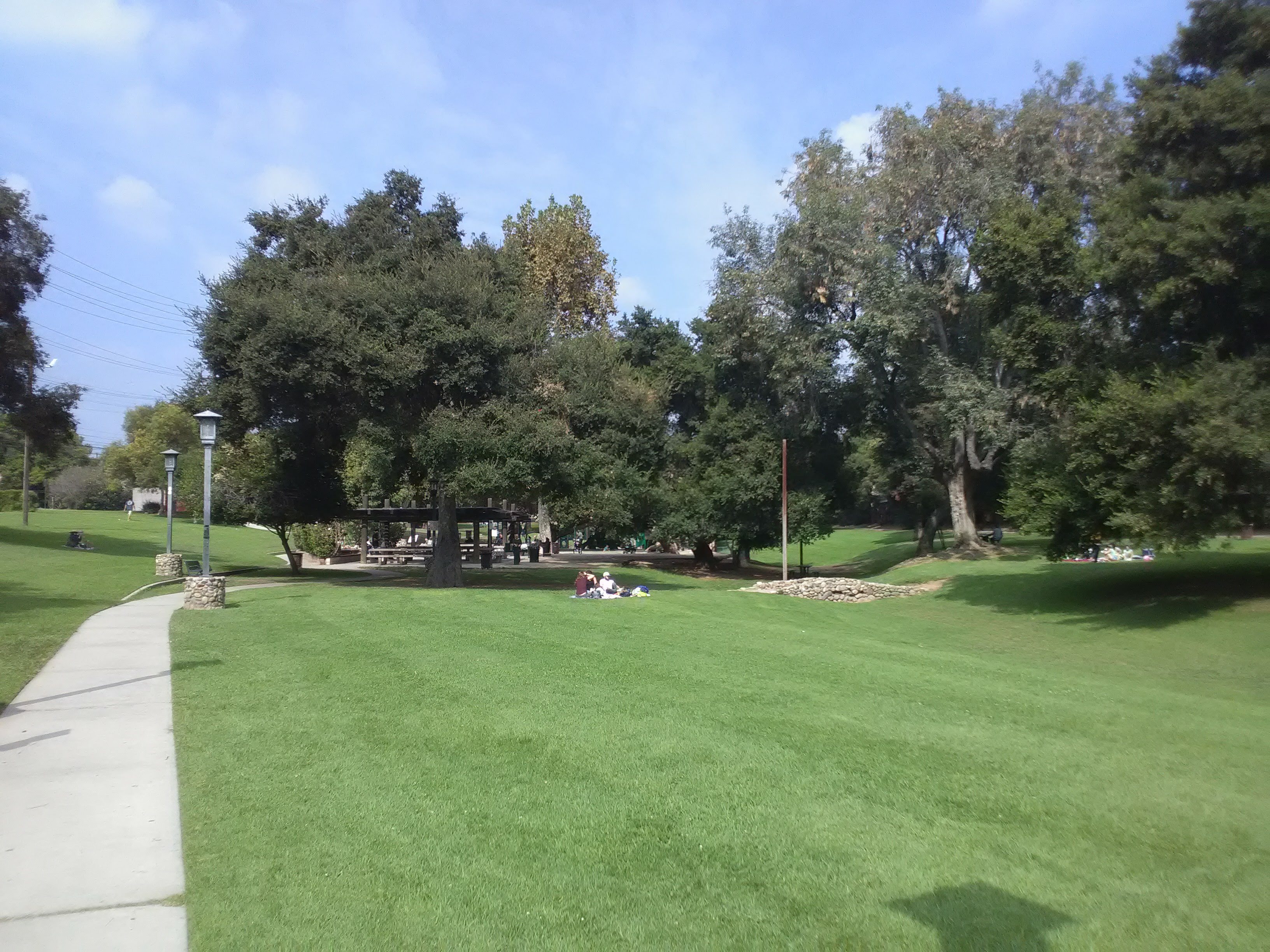
Return north up Milan Ave back to Mission Street and make a left. You’ll pass Garfield Park, a linear green space that follows the path of a wash between two sets of houses. It’s a very popular neighborhood park, with lush lawns, picturesque little gardens in the front and very back, picnic shelters, and a large playground, and there’s plenty of places to sit down and enjoy people watching while you rest your feet. The park is also kept in good condition, with a clean set of public restrooms if the need arises.

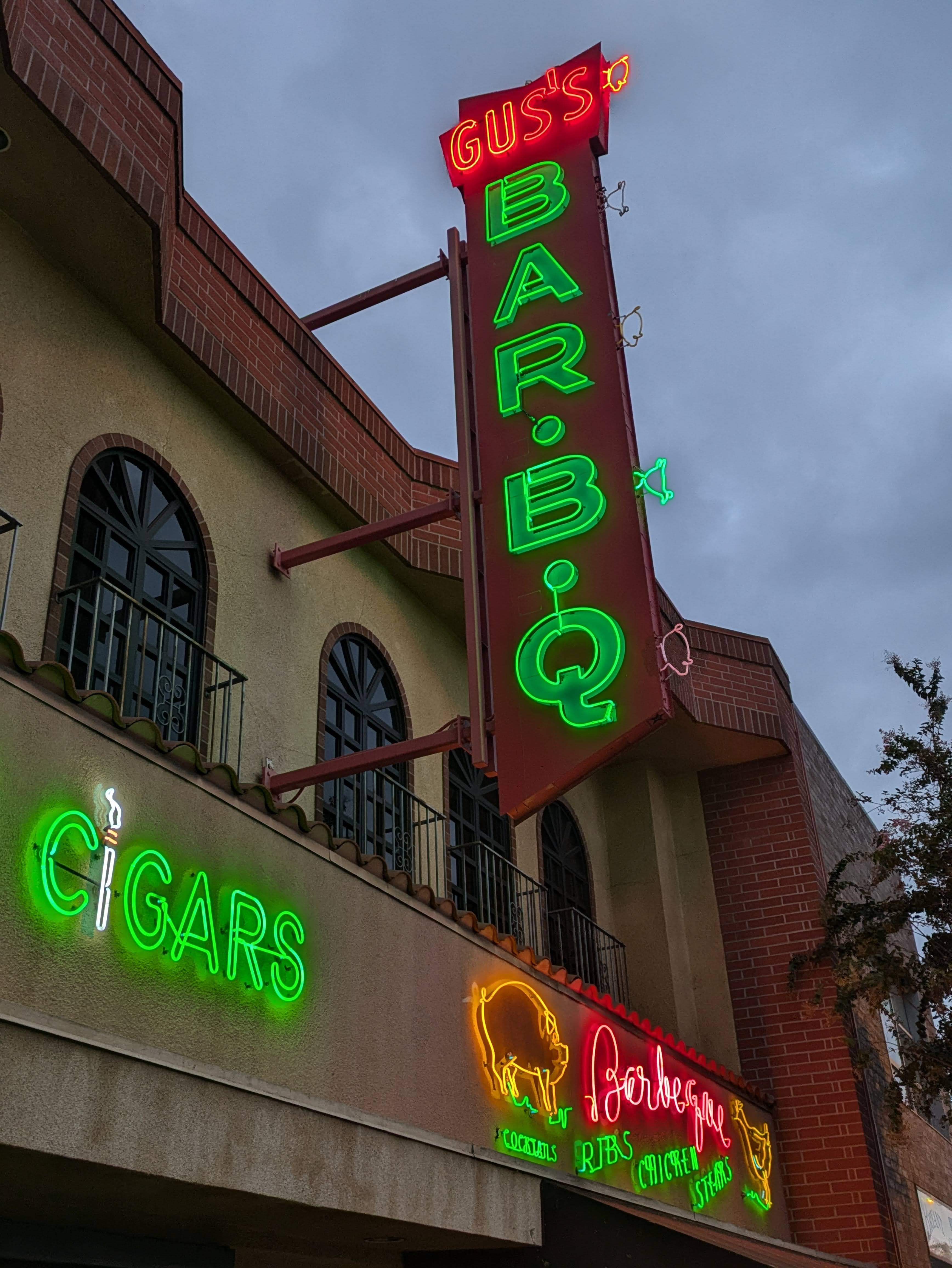
Continue on Mission Street to the intersection of Fair Oaks, which serves as the civic heart of town. The bank on the northeast corner is housed in a genuinely historic neoclassical structure, and just up the block is a gorgeous retro neon sign for Gus’s BBQ. On the other corner is South Pasadena’s most iconic business: the Fair Oaks Pharmacy, a drug store that has been sitting on this corner for over a century. Inside, you’ll still find an authentic soda fountain with vintage décor and an actual pharmacy, although most of the space is given over to souvenirs, retro toys, and Route 66 memorabilia, harkening back to when this stretch of Fair Oaks Avenue served as a portion of the famous highway in the 1920s. Around Christmas time, you’ll see the interior packed with Christmas trees loaded down with baubles and decorations for sale.

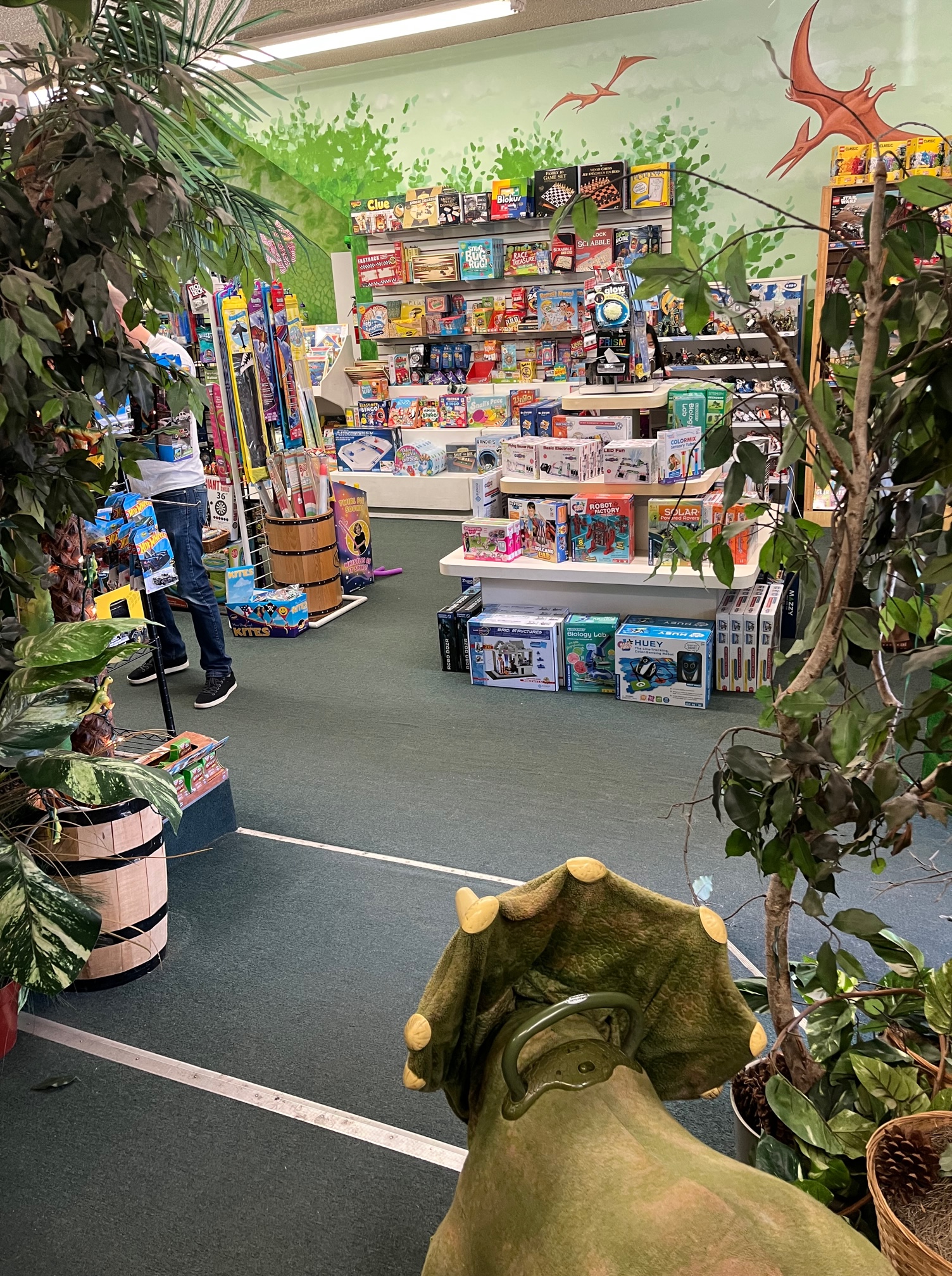
The stretch of Mission Road between Fair Oaks and the Metro station is lined with a lot of wonderful local businesses, and the most charming one is just a few doors down from the Fair Oaks Pharmacy. Just look for the colorful display window filled with giant dinosaur toys: it’s the Dinosaur Farm. This small but very cute toy shop has plenty of toys and books for young children, and per its name, dinosaurs are the specialty here, with an entire room devoted to the creatures of the Mesozoic Era. Dino plushies, dino puzzles, dino puppets, dino action figures, there’s plenty here for the kid (or extremely nerdy adult) who loves their Stegosaurus and Sauropods and Triceratops and T-Rexes.

Continuing west on Mission Street, you’ll pass by city hall (a fairly generic building, admittedly) and a gas station on the corner of Fremont, followed by an abandoned location of the former casual dining chain Carrows. There’s nothing particularly unique about this specific Carrows, except that it served as yet another South Pasadena filming location: this was the diner Sarah Connor works at in the beginning of Terminator.
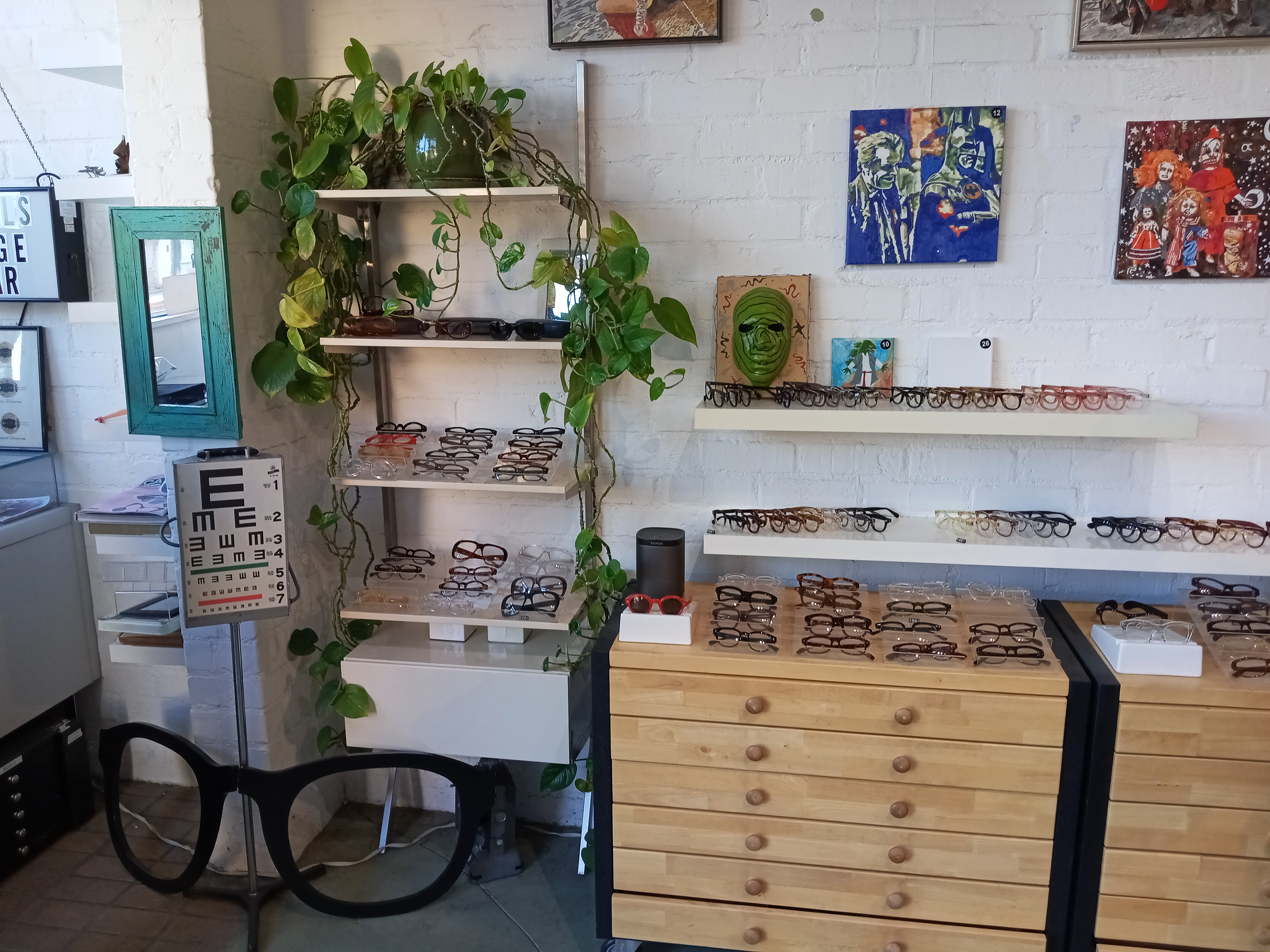
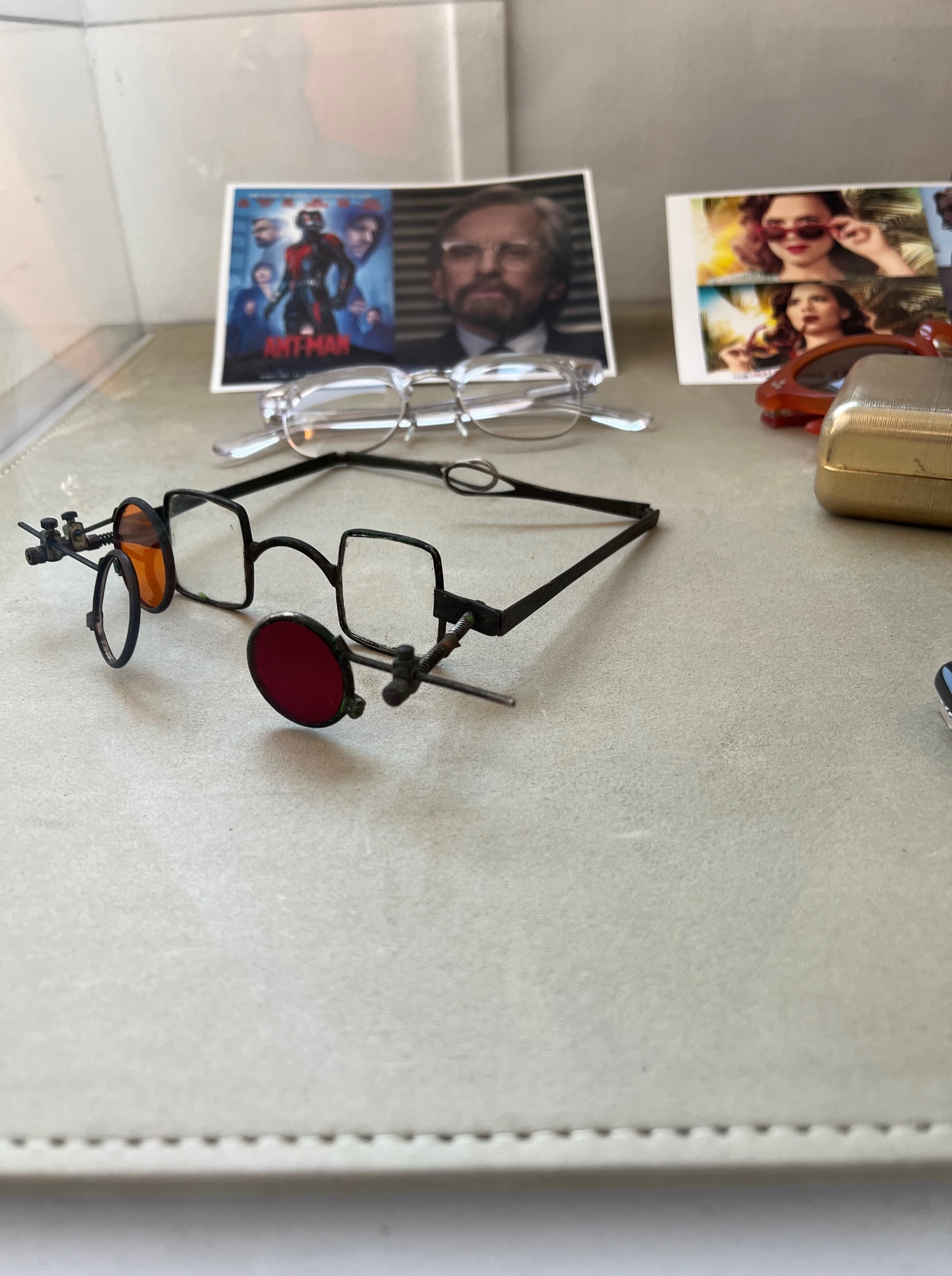
Mission is full of great local businesses. Between Fremont and Fairview you’ll pass Old Focals, a garage-turned-optician store adorned with a giant pair of round eyeglasses perched above the door. Inside the small space you’ll find more goofy props as well as plenty of vintage eyewear, with the whole business taking on a sort of a retro/punk vibe; there’s a strong mid-century aesthetic throughout, with examples of glasses from certain films and antique eye-exam equipment.

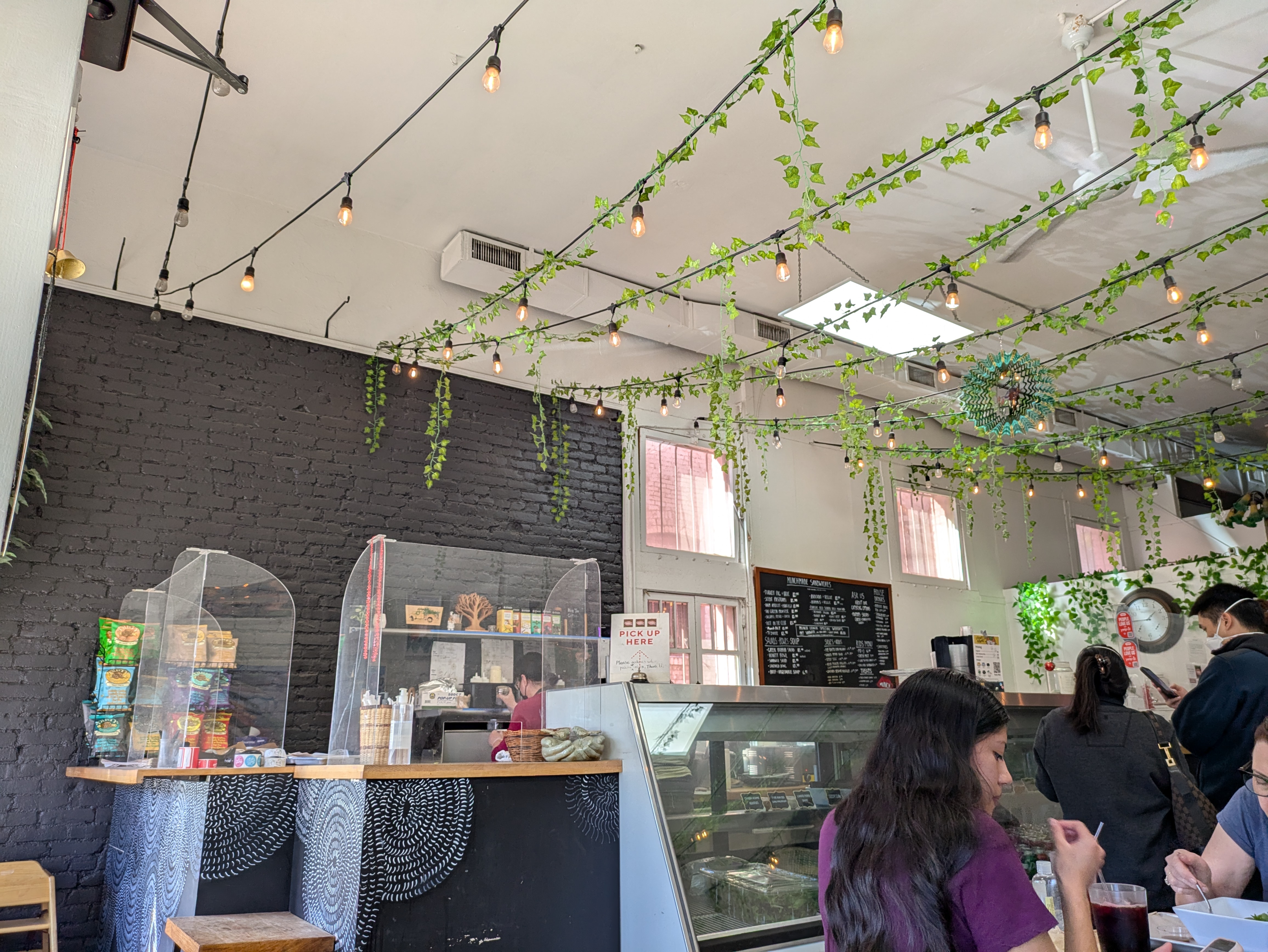
If you’ve worked up an appetite by this point, we definitely recommended The Munch Company, a delightful sandwich shop at 1028 Mission Street. The sandwiches are marvelous, with a combo deal that includes a bag of chips and a drink. The hibiscus basil tea, made in-house, is particularly refreshing on a hot day.

Continue on Mission for another block and you’ll return to Meridian Avenue, where you can hop back on the train. If you’re in for a wait, you can use the time to grab a coffee or explore some of the shops, or just take this opportunity to take in your surroundings one last time. You’re never alone in South Pasadena; there’s always people walking around, enjoying the nice weather. As the sun goes down and the buildings grow pinker, the aging oaks cast long shadows over Meridian. Maybe a cool breeze knocks a few yellowing leaves off the trees. But there is always the warmth of activity along Mission—and if you’re here for Halloween, maybe a pumpkin spiced drink for a little extra warmth.
 Transiting Los Angeles
I just discovered you through zocolo. Love it. Thank you!
LikeLiked by 1 person